




Singapore’s schools and organisations are increasingly turning to design thinking to build future-ready competencies: critical thinking, collaboration, communication, and the confidence to solve open-ended, real-world problems. Choosing the right design thinking facilitators in Singapore can determine whether a workshop becomes a one-off activity or a meaningful capability-building journey.
This guide explains what “top rated” really means in education and organisational contexts, what to look for in design thinking facilitation, and why C-Academy is trusted in Singapore for practical, outcomes-driven learning from strong learner engagement to clear deliverables that support real design thinking implementation.
1. What top rated design thinking facilitators in Singapore really means
In practice, “top rated” rarely refers to a single public ranking. Instead, schools and organisations typically evaluate facilitators based on outcomes that are relevant, measurable, and usable:
1.2. Relevance to real needs
C-Academy Design Thinking Programmes are anchored in authentic challenges such as student life, learning environments, culture, community well-being, sustainability, or workplace transformation. Strong facilitation connects these challenges to both the design thinking process and real-world contexts in Singapore.
1.3. Quality of facilitation and learner engagement
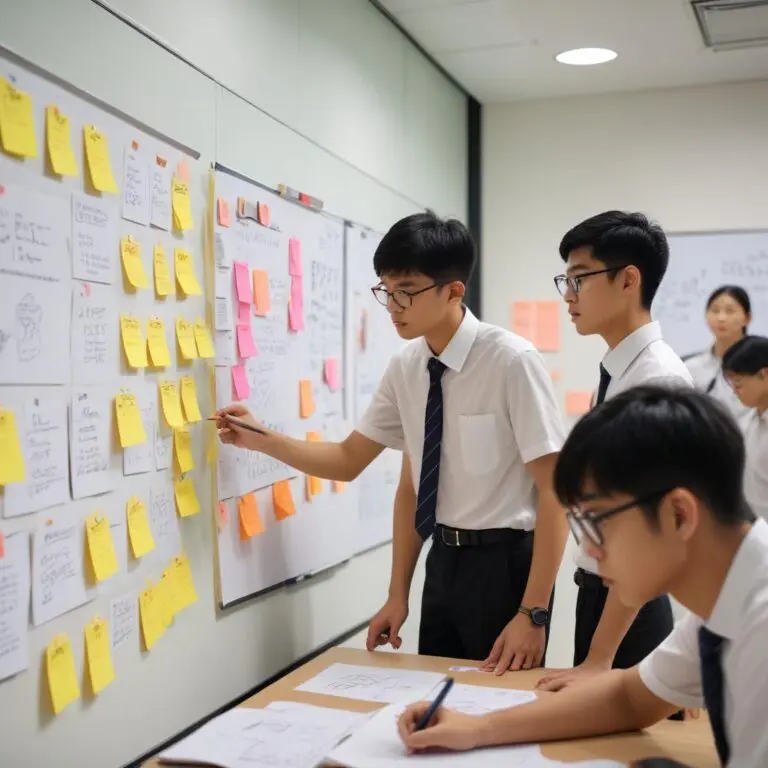
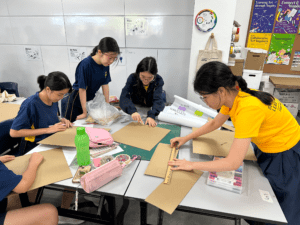
Learners participate actively: observing, interviewing, mapping insights, prototyping, testing, and presenting — not simply listening to slides. This is where user experience design thinking becomes useful: students learn to design with real users in mind, not just generate ideas in isolation.
1.4. Clear learning outcomes and measurable progress
Strong programmes demonstrate progression in design thinking understanding, confidence, empathy, experimentation, teamwork, and communication, reinforcing design thinking principles through repeated practice, not rote theory.
1.5. Usable deliverables for the school or organisation
Beyond student learning, schools appreciate documented insights, clear problem statements, and tested concepts that can inform school improvement plans, space redesign, or programme refinement. C-academy can help to facilitate that.
If you are searching for top rated design thinking facilitators in Singapore, look for providers who can show outcomes across the design thinking process — strengthened by user experience design — and translate learning into credible, school-ready evidence.
2. What to look for in a design thinking facilitators in Singapore
2.1. A structured, teachable methodology
A strong design thinking programme should provide a consistent framework learners can apply repeatedly. This gives school leaders confidence that sessions follow sound design thinking principles and are not simply “fun activities”.
At C-Academy, facilitation is guided by Creativeans’ EDIT Design Thinking® framework:
Empathise → Define → Ideate → Test
This structure helps learners move from insights to action with clarity, rigour, and confidence.
2.2. Design Thinking Facilitators as the expertise that bridges industry and education
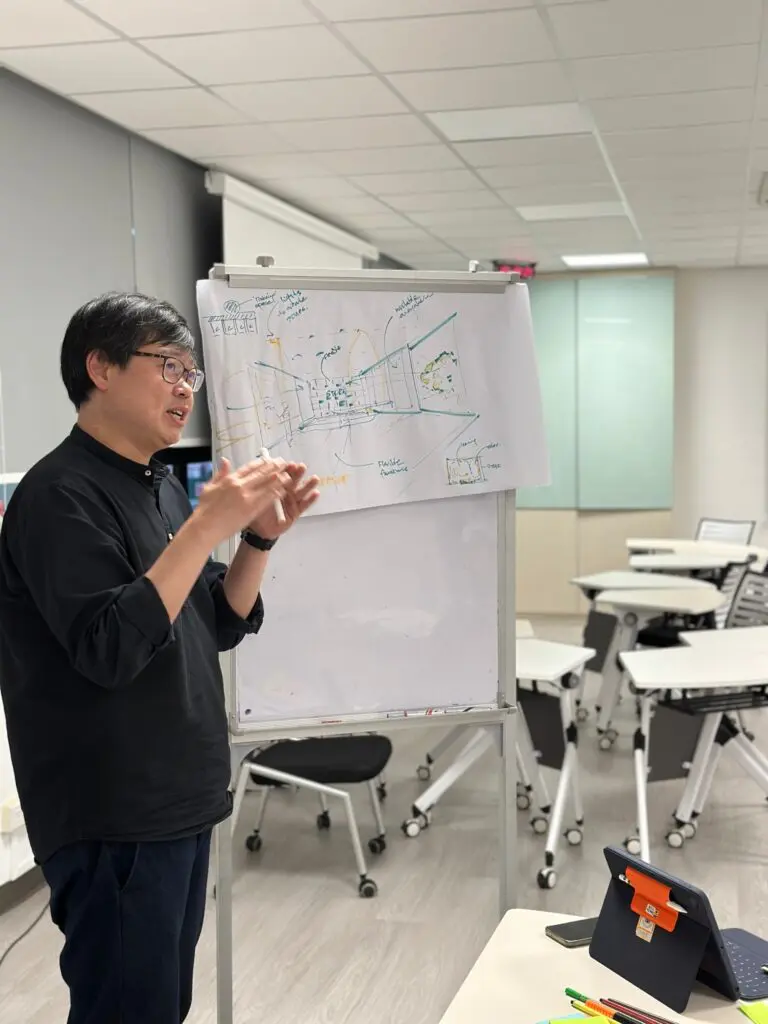
The best design thinking facilitators in Singapore translate real industry practice into classroom-ready learning. They understand both strategic intent and age-appropriate pedagogy — so students can learn how ideas work in real organisations and communities.
C-Academy is powered by practising brand and design consultants — enabling learners to experience how design thinking training is applied in real settings, including strategic design thinking contexts where problem-solving connects to goals, stakeholders, and impact.
2.3. Evidence-based learning with stakeholder involvement
Top facilitators ensure students learn from multiple perspectives — teachers, peers, support staff, partners, and community stakeholders — so solutions reflect real constraints and genuine needs. This is essential for meaningful user experience design work and for producing recommendations schools can actually use.
This is especially important for school-based themes such as:
- Community (belonging, inclusion, peer support)
- Culture (heritage, identity, multicultural understanding)
- Sustainability (waste, energy, cleanliness, behaviours and systems)
- Reimagining Learning Spaces (learning environment design)
- XR Experiences (ethical, human-centred immersive media design)
2.4. Strong outcomes + practical school takeaways
Educators value programmes that produce outputs such as:
- Documented insights and observations
- Defined “How might we…” problem statements
- Prototypes and tested concepts
- Clear presentations and reflection
- Optional high-fidelity visualisation (where relevant, e.g., learning space redesign)
These deliverables support school leaders in decision-making and enable smoother design thinking implementation — not just student participation.
3. Why C-Academy is a leading choice as one of top design thinking facilitatiors in Singapore
C-Academy is where practising brand and design consultants turn real projects into learning experiences. We support schools, educators, and organisations in Singapore by making design thinking practical, measurable, and relevant — through immersive programmes aligned to real-world contexts, school priorities, and competencies.
3.1. Design thinking made real
C-Academy programmes are designed for application. Learners do not only learn design thinking terms — they practise the behaviours that sit behind strong design thinking principles and long-term capability:
- Listening and observing with empathy
- Synthesising insights into clear problem definitions
- Generating and refining ideas with purpose
- Building and testing prototypes
- Communicating solutions with rationale and evidence
3.2. Design Thinking Programmes aligned to school priorities
C-Academy programmes can be tailored to:
- Student level and readiness
- School context, culture, and focus areas
- Timetable, cohort size, and desired outcomes
- CCE and 21st-century competencies
For school leaders, this also supports design leadership development — helping students practise initiative, stakeholder engagement, and responsible decision-making in team settings.
3.3. Learners build confidence, not just concepts
Schools often adopt design thinking training to nurture student agency. With effective facilitation, learners begin to see themselves as:
- Active contributors to their community
- Stewards of shared spaces and resources
- Confident problem-solvers who can handle ambiguity
- Collaborative team members who communicate clearly
That shift in mindset is often the most valuable long-term outcome.
4. Choosing the right programme format: workshop vs journey
When reviewing design thinking facilitators in Singapore, ask how the programme is structured. A short workshop can be useful for awareness and introduction. However, schools and organisations typically see the strongest outcomes through a multi-session immersive journey, where learners complete the full design thinking process and produce stronger prototypes, testing insights, and school-ready recommendations.
C-Academy’s design thinking pathways are designed to be customisable so schools can choose the depth required while maintaining a structured process, clear deliverables, and credible design thinking implementation outputs.
5. Frequently asked questions (FAQ)
5.1. How long should a design thinking programme be?
For sustained capability-building, a multi-session programme allows learners to practise the full design thinking process (from empathy to testing), iterate on prototypes, and present stronger outcomes with evidence. It also creates room for meaningful stakeholder engagement.
5.2. Is design thinking suitable for all student levels?
Yes, when facilitation is age-appropriate and structured. Younger learners can focus on observation, empathy, and simple prototyping; older students can take on deeper research, synthesis, user experience design considerations, and testing.
5.3. How is C-Academy different from other design thinking facilitators in Singapore?
C-Academy combines:
- Practising consultant facilitation
- Structured methodology (EDIT Design Thinking®)
- Real-world briefs and learning journeys
- Measurable learning outcomes
- Practical school-ready deliverables that support design thinking implementation
6. Final note: A practical way to shortlist top rated design thinking facilitators
When deciding among top rated design thinking facilitators in Singapore, request three things:
- A clear programme outline with learning outcomes
- Examples of student work (prototypes, presentations, documentation, user experience design)
- Evidence of impact (confidence shifts, skills growth, stakeholder feedback)
If you would like a structured recommendation, C-Academy can propose a tailored design thinking programme aligned to your school’s goals and student profile whether you are strengthening community, culture, sustainability, learning environments, or XR experiences through EDIT Design Thinking®.