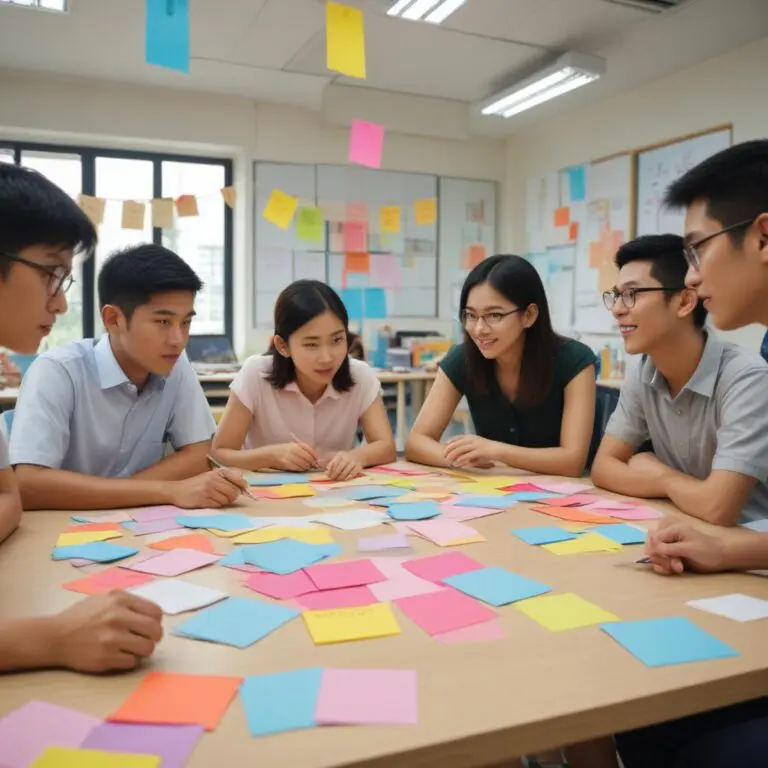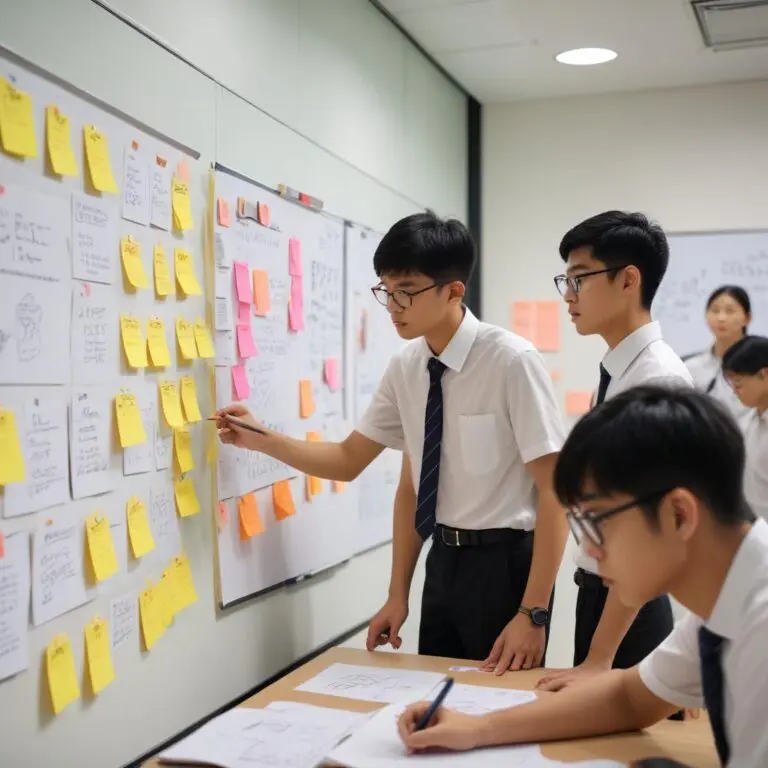





Design thinking has moved from boardrooms and design studios into Singapore classrooms. As schools seek to develop students who can navigate an uncertain future, many are discovering that design thinking offers a structured yet flexible design thinking framework for building creativity, empathy, and problem-solving skills. This article explores how Singapore schools are integrating design thinking course into their teaching curriculum, from national policy alignment to practical classroom implementation.
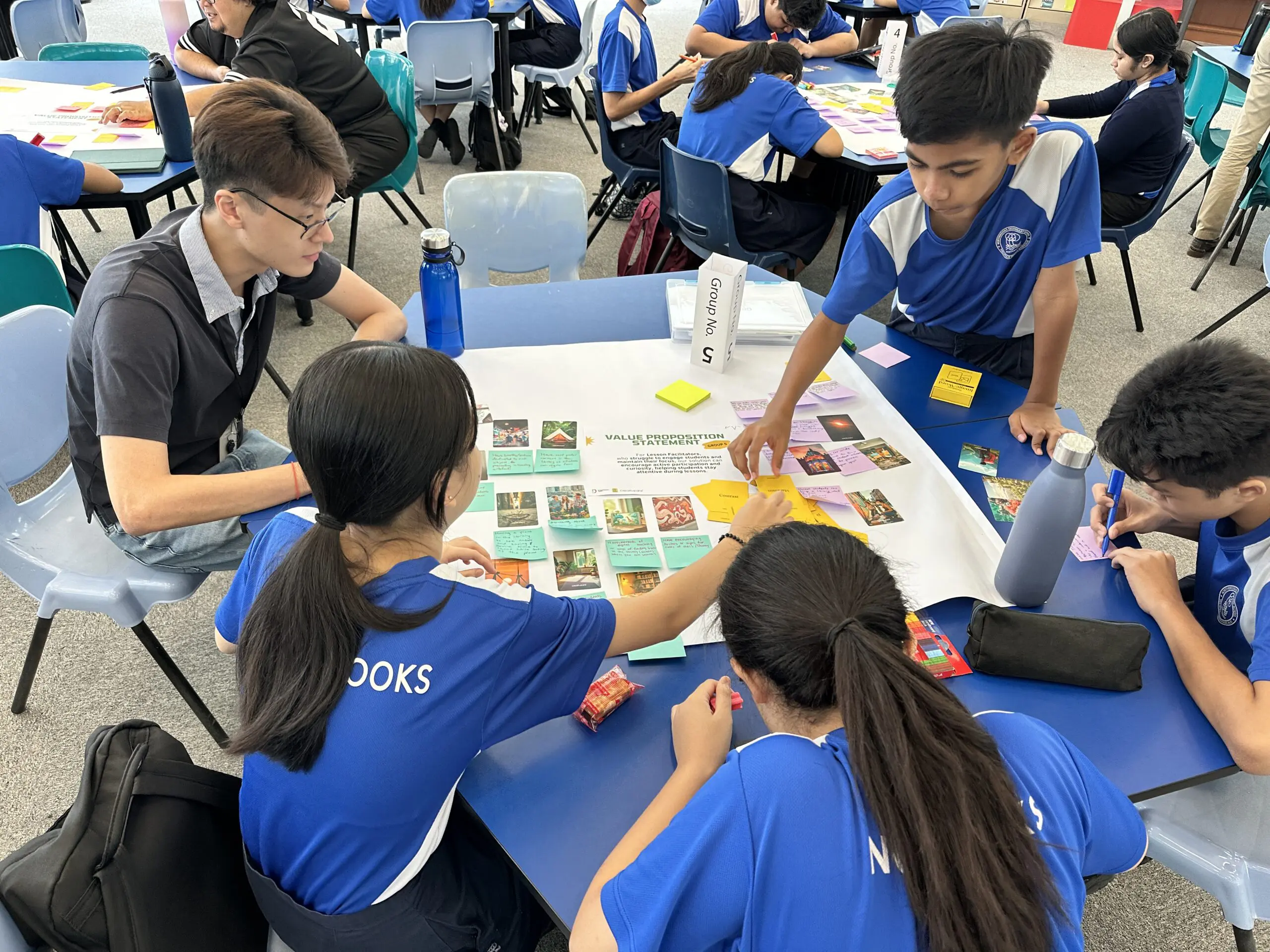
The National Context: Why Singapore Schools Are Embracing Design Thinking Courses
Singapore’s education system has long emphasised academic excellence. However, recognising that the future economy demands more than content knowledge, the Ministry of Education (MOE) has progressively shifted focus toward developing 21st Century Competencies (21CC). This national priority creates fertile ground for design thinking integration.
The enhanced 21CC framework emphasises critical, adaptive, and inventive thinking, competencies that design thinking naturally develops. MOE’s direction to reduce over-emphasis on academic results and create more opportunities for students to pursue diverse interests has opened space for experiential approaches like design thinking to flourish.
Additionally, DesignSingapore Council (Dsg), the national agency for design promotion under the Singapore Economic Development Board, actively supports design thinking education through its Learning by Design initiative. This programme connects schools with approved industry partners who bring real-world design thinking expertise into educational settings, fostering a design thinking culture within schools.
Five Ways Singapore Schools Integrate Design Thinking into Curriculum
Schools across Singapore have adopted various approaches to bring design thinking into their teaching. The integration model depends on factors such as school priorities, available time, teacher readiness, and desired outcomes.
1. Standalone Design Thinking Programmes
Many schools introduce design thinking as a dedicated programme, often during enrichment weeks, post-examination periods, or as part of Applied Learning Programmes (ALP). Students engage in intensive design thinking projects over one to six sessions, working on authentic challenges with real stakeholders. These programmes often take the form of an innovation workshop, allowing students to fully immerse themselves in the design thinking process.
Example: Methodist Girls’ School ran a design thinking programme focused on reimagining classroom spaces. Students conducted empathy research, generated 56 unique ideas, and built 41 prototypes, demonstrating deep engagement with the design thinking process and developing practical skills in creative thinking.
2. Integration with Subject-Based Learning
Some schools embed design thinking within existing subjects, using it as a methodology to explore curriculum content. Science classes might apply design thinking to environmental challenges, while humanities classes use it to address community issues. This approach helps students see design thinking as a transferable skill rather than a separate subject, encouraging a design thinking mindset across disciplines.
Example: Pei Hwa Secondary School integrated design thinking into sustainability education, with students applying the methodology to address waste management and environmental responsibility within their school environment. This approach combined user research with environmental studies, showcasing the versatility of design thinking.
3. Values in Action (VIA) and Service Learning
Design thinking aligns naturally with Singapore’s Values in Action programme, which requires students to engage in community service. By applying design thinking to VIA projects, students move beyond one-off service activities to create sustainable solutions that address genuine community needs. This approach emphasizes human centered design principles and encourages students to conduct ethnographic research to understand community challenges deeply.
Example: Students working on the Community and Conservation theme (in partnership with Jane Goodall Institute Singapore) used design thinking to develop solutions addressing environmental awareness and community engagement, generating 43 ideas and creating 24 prototypes. This project demonstrated how design thinking can be applied to create breakthrough solutions for complex social issues.
4. Learning Journeys and Industry Partnerships
Schools partner with external organisations to provide authentic design thinking experiences. Learning journeys to design studios, heritage businesses, and community organisations give students exposure to how professionals apply design thinking in real-world contexts. These partnerships often involve design thinking training sessions led by industry experts, bridging the gap between classroom learning and professional practice.
Example: Sembawang Secondary School’s design thinking programme included learning journeys to Pek Sin Choon, a heritage tea merchant, where students explored cultural preservation challenges before developing their own solutions. This experience combined user interviews with historical context, enriching the students’ understanding of design thinking applications.
5. Emerging Technology Integration
Forward-looking schools are combining design thinking with emerging technologies such as Augmented Reality (AR), Extended Reality (XR), and generative AI. This approach aligns with IMDA’s emphasis on XR as a practical tool for innovation and prepares students for the digital economy. By incorporating technologies like prompt engineering, schools are equipping students with cutting-edge skills that complement traditional design thinking practices.
Example: C-Academy’s XR Experience theme enables students to create functional AR prototypes as part of their design thinking projects, using HOVARLAY’s no-code platform to bring their solutions to life. This integration of technology with design thinking showcases how schools are preparing students for future careers in product design and digital innovation.
How Design Thinking Course is Structured in Singapore Schools
While various design thinking frameworks exist, Singapore schools commonly use structured methodologies that guide students through a clear process. The EDIT Design Thinking® framework, developed by Creativeans through real-world consulting, provides four stages that educators can adapt to different contexts:
Empathise: Students begin by understanding the people affected by a problem. In school settings, this might involve interviewing librarians about library usage patterns, observing how canteen spaces are used during breaks, or surveying peers about learning environment preferences. This stage grounds design thinking in human needs rather than assumptions and introduces students to user research techniques.
Define: Students analyse their research to identify the core problem worth solving. They craft “How Might We” questions that frame challenges as opportunities. This stage develops the critical thinking skills central to design thinking and ensures students address genuine needs rather than surface-level symptoms. It also involves creating user personas to represent key stakeholders.
Ideate: Using structured brainstorming techniques, students generate diverse solutions without judgment before evaluating and selecting the most promising ideas. Design thinking techniques like opposite thinking, analogy thinking, and random stimulus help students break free from conventional approaches. This stage often incorporates specific ideation techniques to stimulate creative thinking.
Test: Students build quick prototypes to test their ideas with users and gather feedback for improvement. This hands-on stage makes design thinking tangible and teaches students that iteration, not perfection, drives innovation. Rapid prototyping skills are developed here, allowing students to quickly visualize and refine their ideas.
What Students Say About Learning Design Thinking
Student feedback reveals how design thinking transforms their approach to learning and problem-solving:
“I see myself growing by developing my creativity, as this experience challenges me to think outside the box and generate innovative solutions.” – Shalane W., Ngee Ann Secondary School
“I learned that no idea is a ‘bad’ idea. The process helped me be more open-minded and brave enough to share my thoughts.” – Student, Pei Hwa Secondary School
“I feel like it actually really taught me a lot. It made me empathise with people around me. When creating a solution, we need to understand the problem first.” – Student, Sembawang Secondary School
“I saw myself grow to be open to more ideas and use my creativity more freely.” – Hannah H., Secondary 4, Methodist Girls’ School
“I’m much more confident now because I’ve experienced solving a problem in a different, more in-depth manner.” – Student, Sembawang Secondary School
These testimonials highlight how design thinking fosters a growth mindset and develops crucial practical skills that students can apply across various aspects of their lives.
The Role of Industry Partners in Delivering Design Thinking
Many Singapore schools partner with external organisations to deliver design thinking programmes. These partnerships bring several advantages: professional facilitators with real-world experience, connections to authentic project contexts, and structured methodologies refined through industry application.
DesignSingapore Council’s Learning by Design initiative identifies approved industry partners who meet quality standards for delivering design thinking education. These partners connect schools to Singapore’s national design ecosystem and ensure programmes align with professional practice. Some partners even offer pathways to design thinking certification, providing students with a professional certificate that can enhance their future career prospects.
C-Academy, as an approved Learning by Design industry partner, exemplifies this approach. Programmes are facilitated by Singapore-certified consultants and ACTA-qualified trainers who bring the EDIT Design Thinking® methodology, developed through over 280 real consulting projects, into educational settings. This ensures students learn design thinking as it is actually practised in industry, not just as an academic exercise.
Community partners also play a vital role in making design thinking authentic. Organisations like Jane Goodall Institute Singapore, Singapore Association for the Deaf (SADeaf), and heritage businesses like Pek Sin Choon provide real-world contexts for student projects, ensuring that design thinking addresses genuine community needs and customer needs.
Programme Formats: From Discovery to Deep Immersion
Schools can integrate design thinking workshop singapore at different depths depending on their objectives and available time:
Discovery Format (1–2 days): Introduces students to design thinking fundamentals through condensed experiences. Typically includes an introduction to methodology, a learning journey to a partner site, and in-class application activities. Ideal for schools seeking initial exposure before committing to longer programmes. This format often serves as an introduction to design thinking practice.
Journey Format (6 sessions, ~18 hours): Provides comprehensive project-based learning through the complete design thinking cycle. Sessions cover introduction, learning journey, empathise and define, ideate, prototype and test, and final presentation. Accommodates up to 50 participants with students working in small teams of 4–6. This format allows for deeper design thinking implementation and skill development.
Both formats can be customised around five thematic options: Sustainability, Culture, Community, Reimagining Learning Spaces, and XR Experience (Augmented Reality). This flexibility allows schools to align design thinking programmes with their existing priorities and curriculum goals. The Journey Format, in particular, often incorporates elements of design facilitation training, preparing students to lead design thinking processes themselves.
Measured Outcomes: What Changes When Schools Integrate Design Thinking
Documenting outcomes is essential for schools investing in design thinking programmes. Pre- and post-programme assessments across Singapore secondary schools reveal consistent patterns of improvement:
Understanding of design thinking methodology shows some of the largest gains, with students at one school improving from 13.5% to 69.5% and another rising from 48% to 78%. These improvements indicate that design thinking is not just being experienced but genuinely understood as a transferable approach.
Collaboration and teamwork consistently improve through design thinking programmes. One school recorded gains from 57% to 95%, while programmes with community and conservation themes saw collaboration scores rise from 58% to 88%. The team-based nature of design thinking naturally develops these skills.
Problem-solving confidence increases as students experience the full design thinking cycle. Participating schools recorded improvements ranging from 65% to 84% and 33% to 73%. Students report feeling more capable of tackling complex, ambiguous challenges after completing design thinking programmes.
Empathy skills develop through the human-centred research that begins every design thinking project. Documented improvements range from 59% to 78%, while community-themed programmes saw gains from 44% to 78%. This outcome reflects design thinking’s core principle of understanding users before developing solutions.
These measurable improvements demonstrate the effectiveness of design thinking in developing crucial skills for future-ready students.
Frequently Asked Questions
Is design thinking part of the official MOE curriculum?
Design thinking is not a mandated subject, but it aligns closely with MOE’s 21st Century Competencies framework and supports Character and Citizenship Education goals. Many schools integrate design thinking through Applied Learning Programmes, enrichment activities, or Values in Action projects. Some schools are exploring ways to offer design thinking certification as part of their curriculum.
What year levels are appropriate for design thinking programmes?
Design thinking can be adapted for all levels, though most structured programmes in Singapore target secondary school students (ages 13–17). The methodology is scaffolded to match student readiness, with simpler challenges and more guided facilitation for younger students. Some schools are also exploring design thinking online and design thinking virtual programmes to reach a wider student audience.
How do schools find time for design thinking in a packed curriculum?
Schools typically schedule design thinking during post-examination periods, enrichment weeks, or dedicated project time. Some integrate design thinking into existing subjects rather than adding it as a separate programme. The Discovery format (1–2 days) offers a lower time commitment for initial exposure. Additionally, some schools are incorporating design thinking as part of their continuing education initiatives.
Do teachers need special training to facilitate design thinking?
While teachers can learn design thinking fundamentals independently, many schools partner with experienced facilitators for initial programmes. This allows teachers to observe effective facilitation before leading their own sessions. C-Academy programmes can include teacher capacity-building components, often focusing on design leadership and design facilitation skills.
How is student work assessed in design thinking programmes?
Assessment in design thinking typically includes process documentation (reflections, research quality), prototype quality, presentation skills, and collaboration behaviours. Pre- and post-programme surveys measure competency development. The emphasis is on growth and learning process rather than just final outputs. Some schools are exploring ways to incorporate design thinking assessments into their broader evaluation of students’ creative thinking and problem-solving abilities.
What makes a good design thinking challenge for students?
Effective design thinking challenges are authentic (addressing real needs), accessible (students can conduct meaningful research), open-ended (multiple valid solutions exist), and actionable (prototypes can be tested). Challenges connected to students’ immediate environment—school spaces, community issues, sustainability—tend to generate the highest engagement. The best challenges often require students to engage in iterative design processes, refining their solutions based on user feedback.
About C-Academy
C-Academy brings real-world design thinking into schools and organisations, turning authentic challenges into powerful learning journeys. As an approved Learning by Design industry partner by DesignSingapore Council, C-Academy programmes are facilitated by Singapore-certified consultants and ACTA-qualified trainers.
Our Belief: “Everyone Can Be Creative.” We believe the best way to learn creativity is to apply it to real challenges. Great ideas begin with understanding people’s needs, motivations, and everyday experiences.
Our Heritage: C-Academy is the education arm of Creativeans, an award-winning brand and design consultancy established in 2012 with offices in Singapore, Milan, and Jakarta. The EDIT Design Thinking® methodology was developed through real consulting projects with over 280 business clients.
Schools We’ve Worked With: Methodist Girls’ School, Ngee Ann Secondary School, Pei Hwa Secondary School, Sembawang Secondary School, Northbrooks Secondary School, Hougang Secondary School, and more.
Ready to integrate design thinking into your school’s curriculum?
Contact C-Academy to discuss how our programmes can develop creative confidence and future-ready skills in your students. We offer a range of options, from introductory workshops to comprehensive design thinking training programmes.
Website: https://c-academy.org
Email: hello@c-academy.org
WhatsApp: +65 8896 6152
C-Academy by Creativeans | Everyone Can Be Creative
39 Woodlands Close, #08-56, Mega@Woodlands, Singapore 737856