




When secondary school students are handed a real community or school space brief — not a textbook scenario, but an actual place with actual users — something shifts. C-Academy has observed this consistently across its design thinking workshops for secondary schools: the quality of student thinking deepens when the stakes are tangible. This article explains exactly how that works, what is design thinking doing differently when applied to real spaces, and what educators need to know to make it happen well.
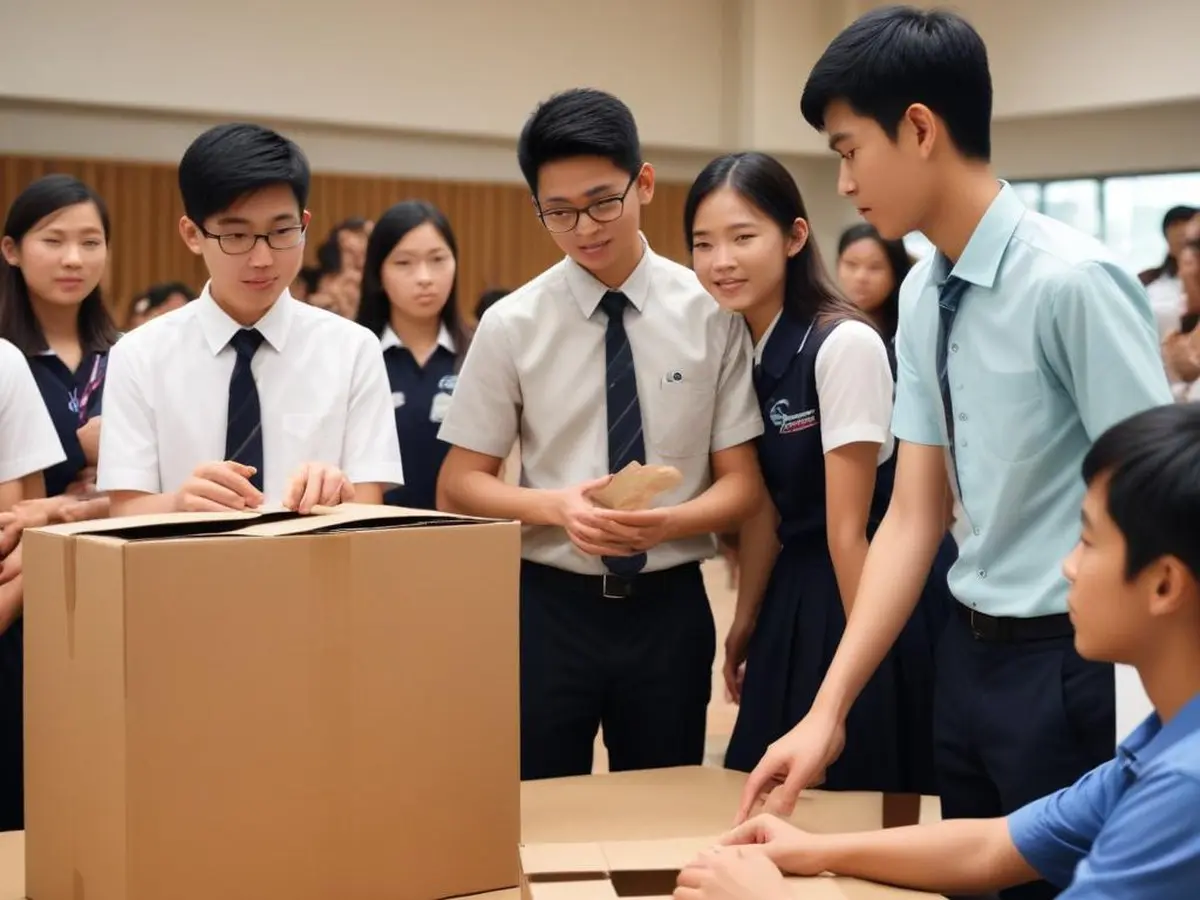
1. Why Real-World Space Briefs Unlock What Classroom Problems Cannot
There is a meaningful difference between asking students to redesign a fictional canteen and asking them to redesign the one they eat in every day. The first is an exercise. The second is a design challenge.
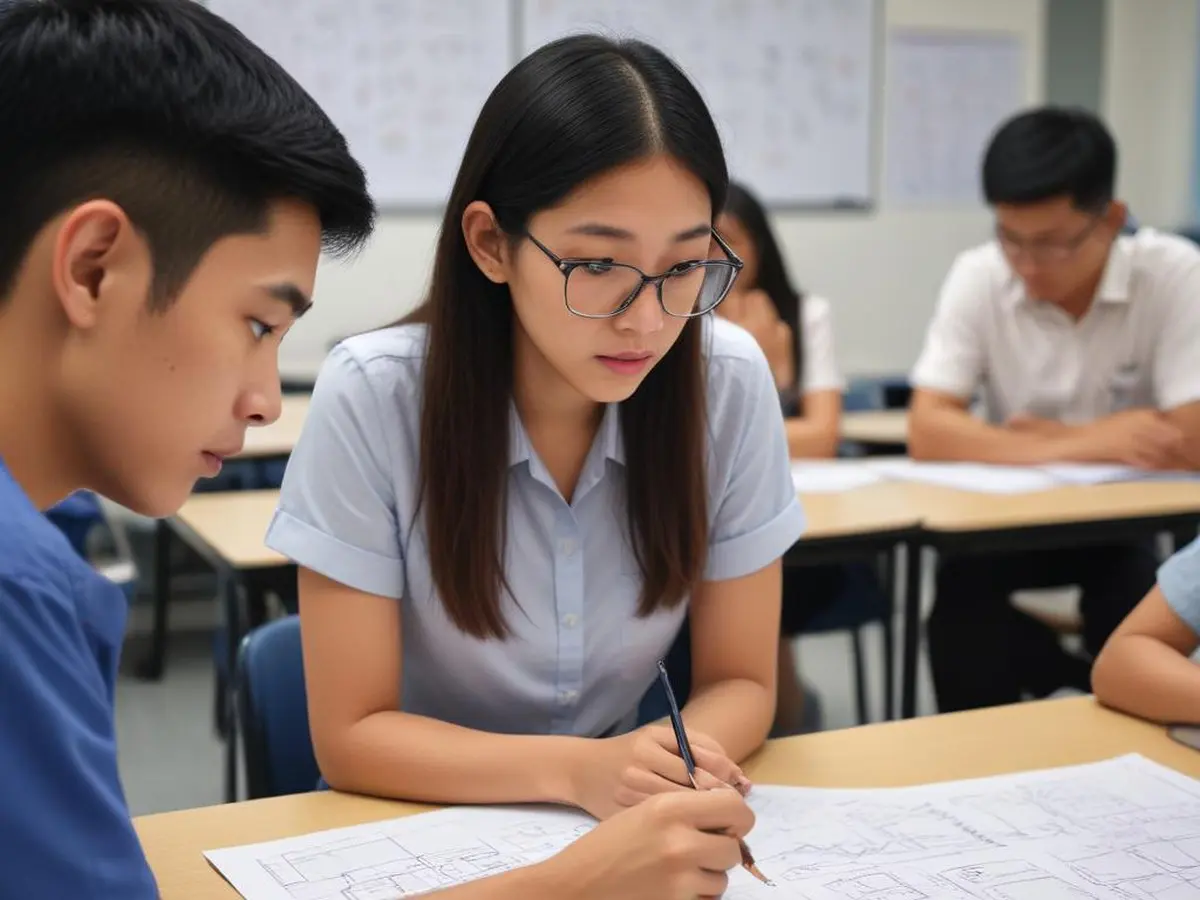
Real space briefs introduce constraints that no worksheet can replicate: competing user needs, physical limitations, budget reality, and stakeholders who will actually evaluate the outcome. When C-Academy ran design thinking workshops with students from Sembawang Secondary School, the shift from hypothetical to real was immediate in how students engaged with the empathy phase. They were not imagining users — they were observing classmates, interviewing teachers, and mapping a space they knew intimately but had never examined critically.
This is where design thinking workshops for secondary schools earn their place in the curriculum. The challenge is not the design thinking methodology — it is the quality of the brief. A weak brief (“redesign a community space”) produces weak thinking. A strong brief names the space, names the users, and defines a real tension: “The school’s reading corner is avoided by students. Find out why and propose a solution that the school could realistically implement.” That framing is what turns a design thinking curriculum activity into a genuine innovation challenge.
HODs considering a space design brief should start by identifying a genuine pain point within the school or local community — one where student input would be genuinely valued. That authenticity is not incidental to the learning. It is the learning. This is the design thinking approach that distinguishes C-Academy’s programmes from conventional project based learning activities.
2. How the EDIT Design Thinking® Framework Structures a Space Design Challenge
C-Academy’s proprietary EDIT Design Thinking® methodology — Empathise, Define, Ideate, Test — maps cleanly onto a spatial design brief, but the design thinking process at each phase looks different from a product or service challenge.
Empathise
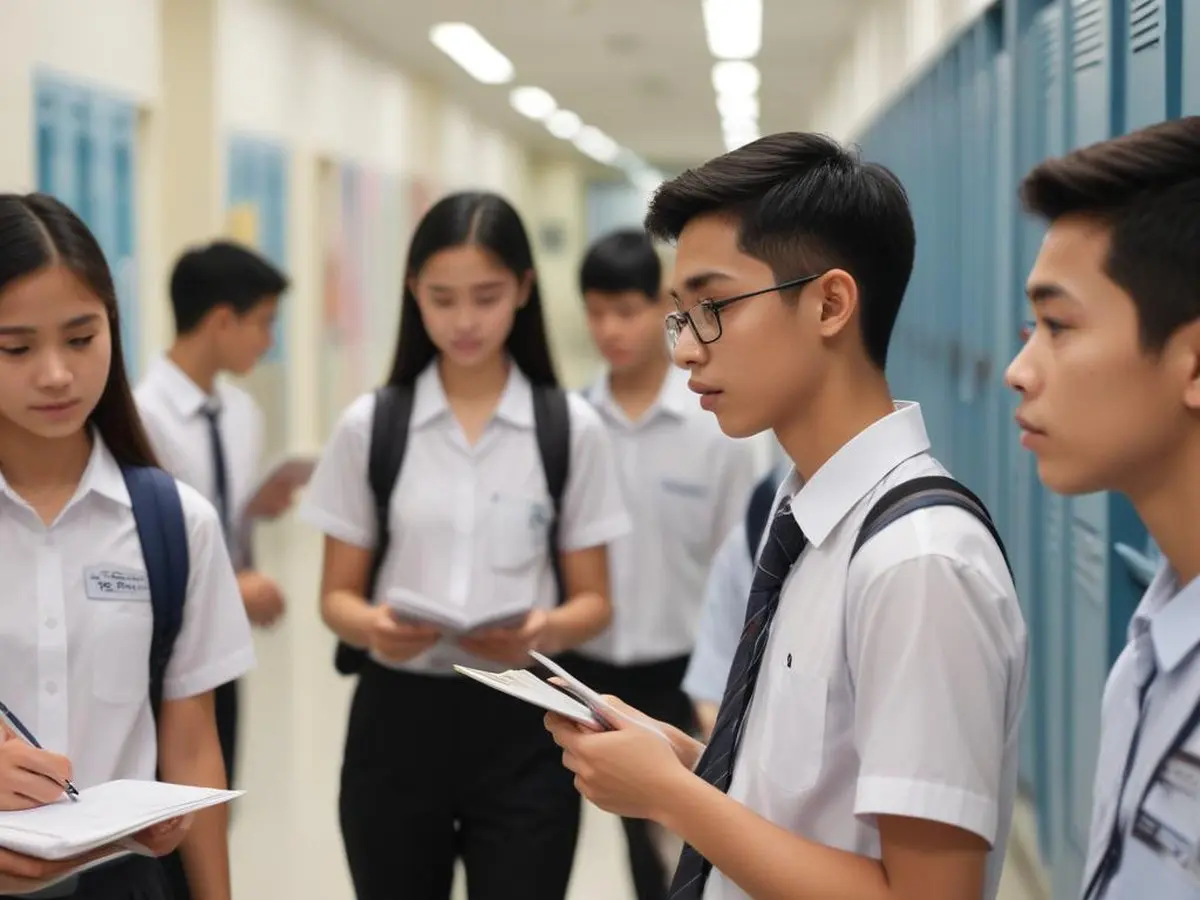
Students observe and interview actual space users. In a Learning Journey session, C-Academy facilitators bring student teams to the physical space in question — whether that is a school library, a community library, or a neighbourhood void deck — and give them structured observation tools. Students record not just what they see but what users feel: frustration, avoidance, discomfort, delight. This is experiential learning at its most direct — students are not reading about user research, they are doing it.
Define
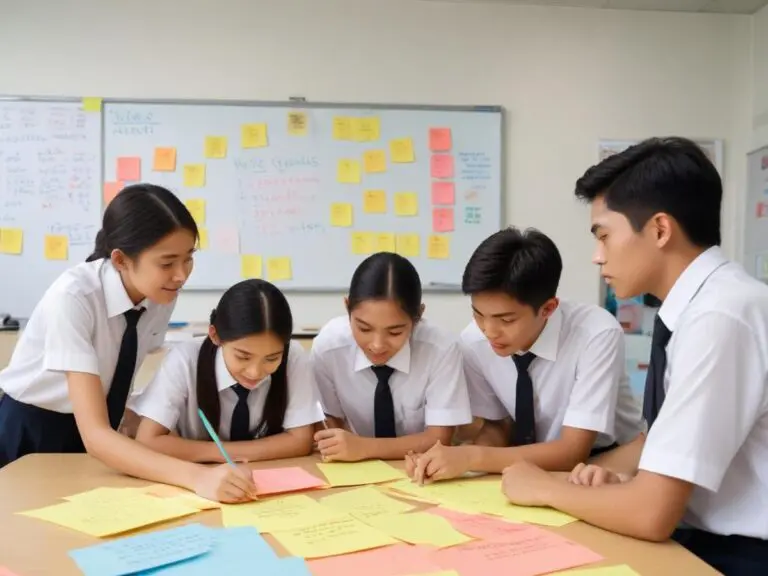
The problem definition phase in space design is particularly demanding. Students must translate physical and emotional observations into a precise How Might We (HMW) statement that is neither too broad (“How might we make the space better?”) nor too narrow (“How might we add more chairs?”). C-Academy facilitators coach teams toward statements that frame a human need, not a design solution. A strong HMW might read: “How might we redesign the reading corner so that secondary students feel it is a space for them, not just a quiet rule-enforcement zone?”
Ideate
Using C-Academy’s design thinking tools — Random Cards and Idea Dice — student teams generate spatial concepts rapidly without self-censoring. The ideation sessions for space design often surface surprising combinations: teams that start with “add lighting” end up proposing modular furniture that students can reconfigure themselves — a concept that addresses ownership and agency, not just aesthetics. This is creative thinking and systems thinking working together in a tangible brief.
Test
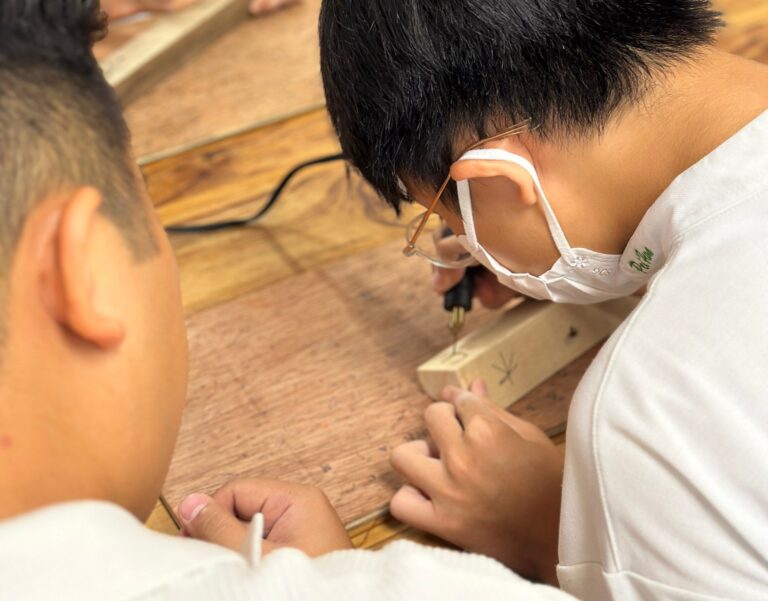
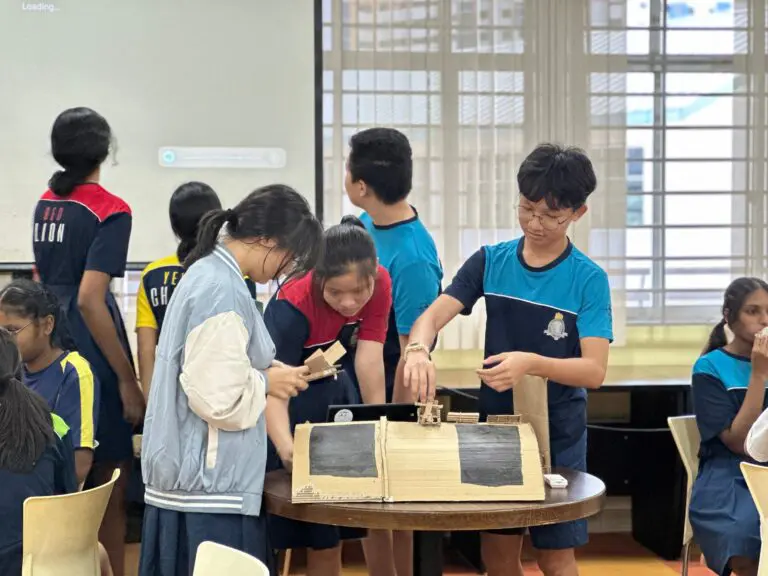
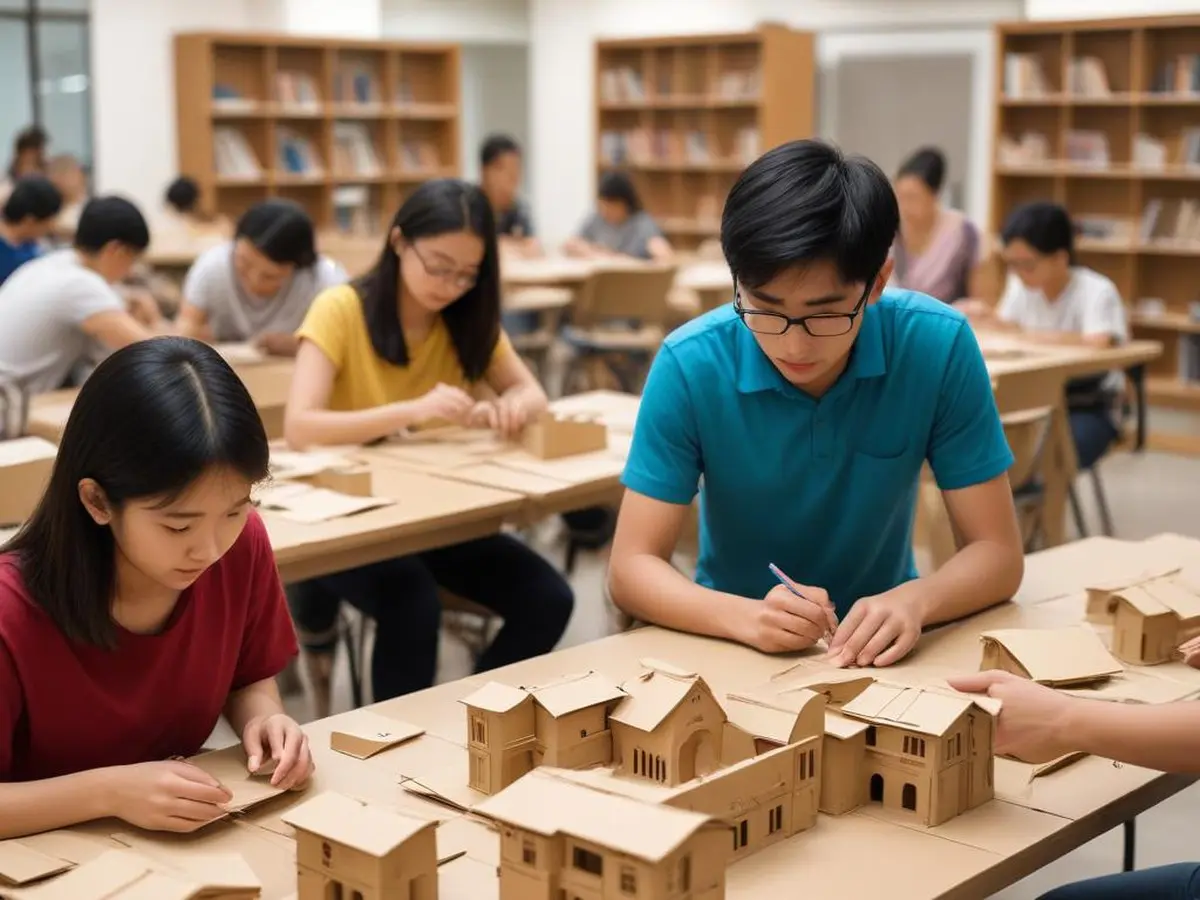
Prototyping a space is inherently physical. Students build scaled models, floor plan sketches, or — with older cohorts — simple AR mockups. What matters is that the prototype is testable: real users can respond to it, and student teams must incorporate that feedback before their final pitch. This rigorous test-and-iterate cycle is what separates a design sprint from a one-off creative activity.
3. From Learning Journey to Final Pitch: What a 6-Session Space Design Programme Looks Like
C-Academy’s design thinking workshops for secondary schools are structured across six sessions. This 6-session format gives student teams ample time to move through the full design thinking process without rushing — allowing for genuine iteration, reflection, and craft. The structure below draws on the programme delivered with Ngee Ann Secondary School, where students applied design thinking to reimagine their school library into an inclusive, community-centred hub. Across the six sessions, students generated over 30 design thinking ideas and built 8 physical classroom prototypes. Confidence in solving difficult problems increased from 33% to 73% after the six-session journey.
Session 1, Learning Journey: Students visit a real space relevant to the design challenge — in Ngee Ann Secondary’s case, Punggol Regional Library, where they experienced first-hand how a modern library is designed to be inclusive, engaging, and community-focused. The learning journey offers practical insights into how space, technology, and activities come together to serve a wide range of users. Facilitated observation and stakeholder interviews take place on-site, and teams complete empathy maps immediately after.
Session 2, Introduction to Design Thinking: Facilitators introduce the fundamentals of the design thinking framework — including empathy, problem definition, ideation, prototyping, and testing. Ice-breaking sessions and an introduction to real world problems and scenarios ground students in the design thinking approach before the deeper work begins. This session also builds student leadership development skills as roles within each team are established early.
Session 3, Empathy and Problem Definition: Building on the Learning Journey, students deepen their understanding of user needs through further interviews, observations, and empathy mapping. Role-playing exercises and empathy mapping sessions help teams synthesise insights into strong HMW statements. Values in action — empathy, respect, and civic responsibility — are embedded naturally in this phase of the design thinking curriculum.
Session 4, Ideation: Students are encouraged toward creative ideation, generating divergent ideas using C-Academy’s design thinking tools before converging on the most promising concepts. Brainstorming sessions and prototyping using low-fidelity materials help teams move quickly from abstract ideas to tangible directions. This is where futures thinking, social innovation instincts, and student creativity combine — producing the volume and variety that the design sprint methodology depends on.
Session 5, Prototyping and Testing: Students test their prototypes, gather feedback, and iterate on their designs. User testing and feedback sessions are structured around the original HMW statement, ensuring that iteration is purposeful rather than cosmetic. This session is the heart of maker education in action — students are not just designing but building, testing, and rebuilding under real constraints.
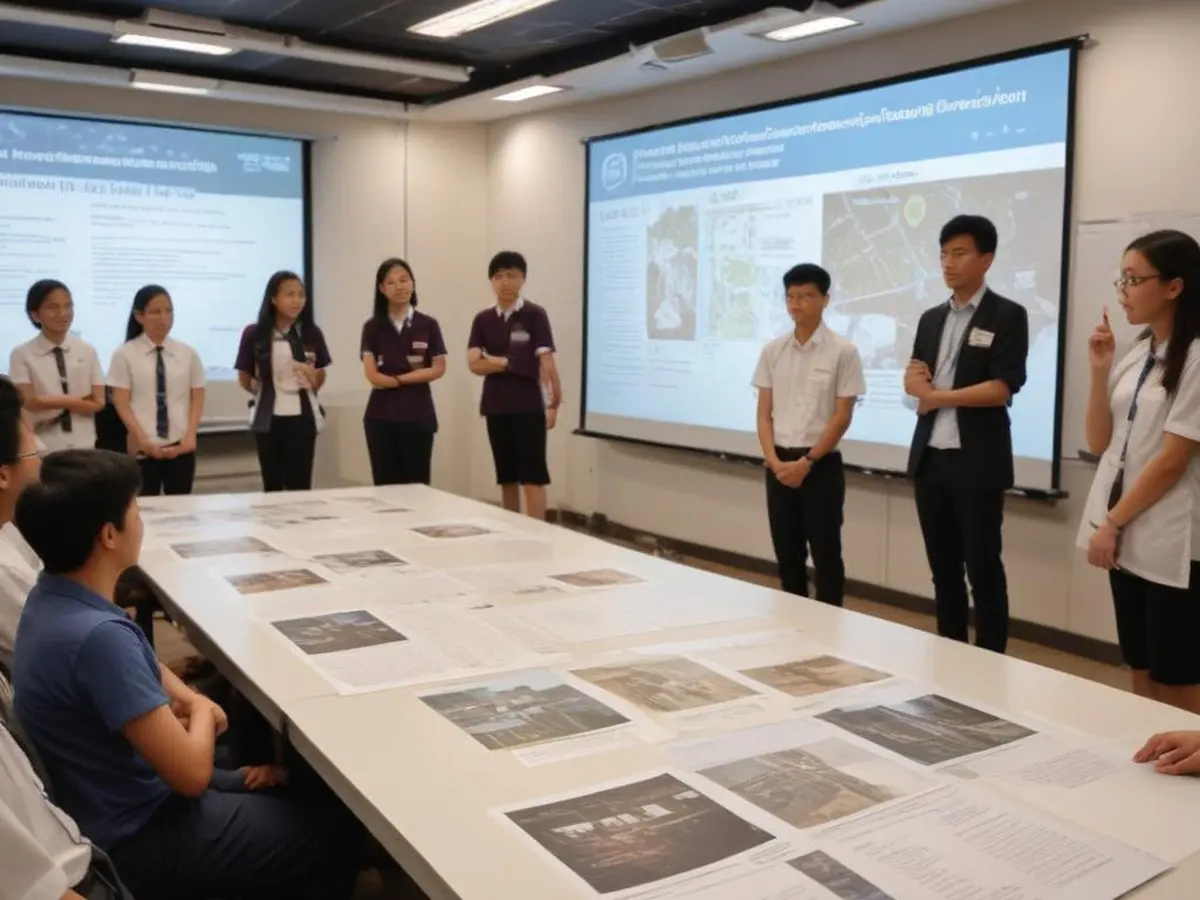
Session 6, Final Pitch: Students present their final library prototypes to peers, teachers, and invited guests — including, at Ngee Ann Secondary, a judge from the James Dyson Foundation. The evaluation focuses on how well concepts address the challenges identified at the start of the programme, with discussion on the strengths, limitations, and feasibility of each design. Students reflect on how their ideas could be applied to future projects beyond the school, offering inspiration for broader curriculum integration across Singapore.
This six-session arc gives students the time and structure to develop genuine design thinking mindsets — not just creative confidence in the moment, but the professional development habits of thinking iteratively, testing assumptions, and defending their reasoning under scrutiny.
4. What Student Teams Get Right — and Where They Typically Struggle
Across C-Academy’s design thinking workshops for secondary schools including Ngee Ann Secondary, Northbrooks Secondary, and Sembawang Secondary, patterns in student performance are consistent enough to be useful for educators planning a space design brief.
Where teams tend to get it right:
- Empathy depth. Students who conduct genuine empathy interviews — not just surveys — produce richer problem definitions. Teams that visit the space more than once almost always outperform those who make a single observation visit. The user research phase is where strong pitches are won or lost.
- Prototype specificity. The strongest pitches include prototypes that address a specific user scenario, not a general aesthetic improvement. “This lighting configuration reduces glare during afternoon study periods” is stronger than “better lighting.”
Where teams typically struggle:
- Scoping. The most common failure point is an over-ambitious brief. Students want to redesign everything. C-Academy facilitators spend significant time in Session 3 coaching teams to select one well-defined problem within the larger space rather than attempting a complete overhaul. This is a core design thinking framework discipline — narrowing focus before generating ideas, not after.
- Testing rigour. Teams often treat the prototype phase as a presentation rehearsal rather than a genuine test. Without structured user feedback — not just peer encouragement — iteration does not happen meaningfully. STEM education contexts that emphasise building over testing are especially prone to this.
- Pitch logic. Weak pitches describe the design. Strong pitches argue for it: why this solution, for these users, solving this specific problem. The difference is almost entirely traceable to how well the HMW statement was defined in Session 3.
5. How Space Design Projects Build MOE 21st Century Competencies
MOE’s 21st Century Competencies framework identifies Adaptive and Inventive Thinking, Communication, and Collaboration as core outcomes for Singapore students. A well-structured design thinking workshop for secondary schools addresses all three in ways that more conventional enrichment activities and innovation programme formats do not.
Adaptive and Inventive Thinking is activated the moment students encounter a real constraint — a space that cannot be physically extended, a budget that does not allow for new furniture, a user group with needs that conflict with each other. Unlike a textbook problem with a known solution, a community space brief requires genuine creative thinking and creative confidence under conditions of uncertainty. This is the crater of real-world learning — the moment where students either default to surface answers or dig deeper into human-centred problem-solving.
Communication is tested at both the research and pitch stages. Interviewing a community stakeholder requires active listening and clear questioning. Presenting a redesign proposal to school leadership requires students to translate design rationale into language that non-designers can evaluate. These are communication skills that no amount of classroom instruction replicates as effectively as a live pitch in front of a real panel.
Collaboration in a space design project is non-negotiable. Teams that divide roles by skill — one student manages empathy research, another leads prototyping, another anchors the pitch — consistently outperform teams where participation is uneven. C-Academy facilitators structure team roles explicitly from Session 1 to prevent the dynamic where one or two students carry the project. This is student leadership development through practice, not theory.
In C-Academy’s pre/post assessment across cohorts, students in design thinking workshops showed a 37% average improvement in overall design thinking competence — consistent with outcomes across the broader programme portfolio. At Sembawang Secondary School specifically, the cohort showed an overall design thinking competence improvement from 13.5% to 69.5%.
6. Making It Work: What HODs Should Know Before Running a Space Design Brief
A space design brief is one of the most rewarding formats for design thinking workshops for secondary schools — and one of the easiest to undermine with poor setup. Based on C-Academy’s facilitation experience, here is what matters most at the planning stage.
Identify a real brief with a real stakeholder. The space should be one where student recommendations could genuinely be considered for implementation. Even if no changes are made, students should believe they could be. Fabricated briefs flatten engagement and undermine the innovation challenge at the heart of the programme.
Secure site access early. The Learning Journey session requires physical access to the space during school hours. Co-ordinate this with relevant departments or community partners before the programme begins. The Ngee Ann Secondary experience — visiting Punggol Regional Library — demonstrates the value of a real external venue as inspiration and design reference, not just a field trip.
Brief the panel before the final session. Pitch panels — whether teachers, school leaders, or community partners — should understand what they are evaluating. C-Academy provides a simple evaluation rubric aligned to the Sweet Spot of Innovation criteria so that feedback is developmental, not just judgmental.
Plan for follow-up. Where possible, share student proposals with the actual stakeholders of the space after the programme ends. This closes the loop for students and reinforces the message that their thinking had real-world value — a core principle of design thinking curriculum integration across Singapore secondary schools.
Space design is not a specialist elective. It is design thinking with the volume turned up — applied to something students can see, touch, and argue about. For HODs looking to build 21CC outcomes through Applied Learning, it is one of the most effective formats in C-Academy’s design thinking workshops for secondary schools.