












Unstuck:
Design Your Next Move
Programme at a glance

Level
Secondary 3–5, Junior College & Youth aged 15–35

Duration
Up to XX participants
per facilitator

Cohort Size
Up to XX participants
per facilitator

Format
In person at your campus, at our Creative Lab, or at a venue you nominate
What participants will take away:
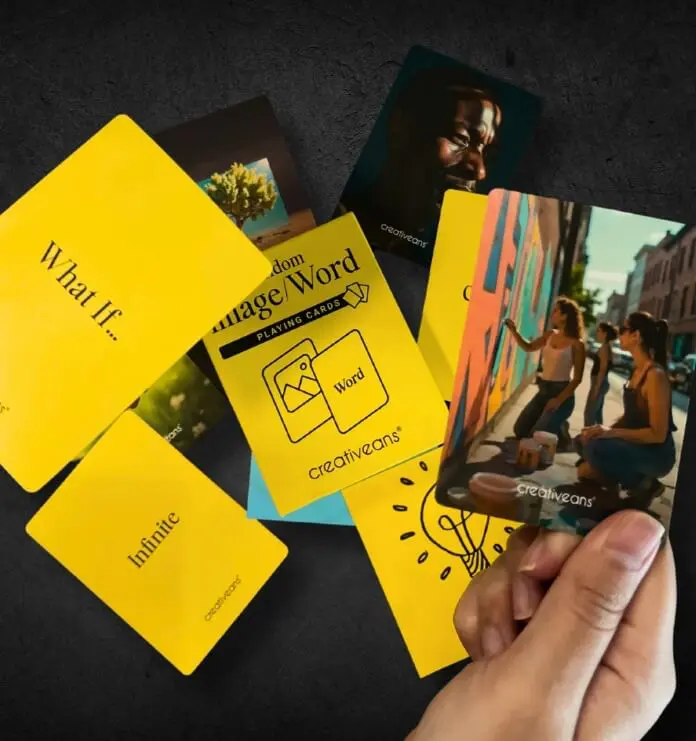
A completed action map, a set of Random Cards, and a written next step
Why students get stuck
Students are often asked to choose a direction before they have enough experience or evidence to make that choice confidently. The challenge is not a lack of ambition — it is that traditional career guidance often asks for an answer too early.
Limited Exposure to Possibilities
Many students have only encountered a narrow range of careers, so they are being asked to choose from possibilities they may not even know exist.
Pressure to Choose the Right Path
Advice often comes from adults whose careers developed in a very different environment. At the same time, students may feel that choosing one direction means closing the door on others, making every decision feel much bigger than it needs to be.
Prototype Before You Decide
Unstuck treats uncertainty as a design problem, not a decision problem. Instead of asking students to commit before they have enough evidence, they explore, test and learn from small steps — prototyping their way towards greater clarity.
This is not a personality test
This is not about putting participants into categories or telling them what career they should pursue. Instead, the process helps them uncover real evidence from their own experiences and turn it into a practical next step.
No Labels or Predetermined Answers
Participants do not fill in a questionnaire and receive a category. There is no algorithm, personality type, report, or recommended job list telling them who they are or what they should do.
Evidence from Real Experiences
Participants work through a structured process to uncover evidence they already have but may never have organised — what they lose time doing, what problems they feel driven to solve, and what others naturally ask them for help with.
A Method They Can Reuse
That evidence becomes possible directions, and those directions become one testable next step. The outcome is not a fixed answer, but a method participants can return to in two years when their circumstances — and their questions — have changed.
What happens in the session
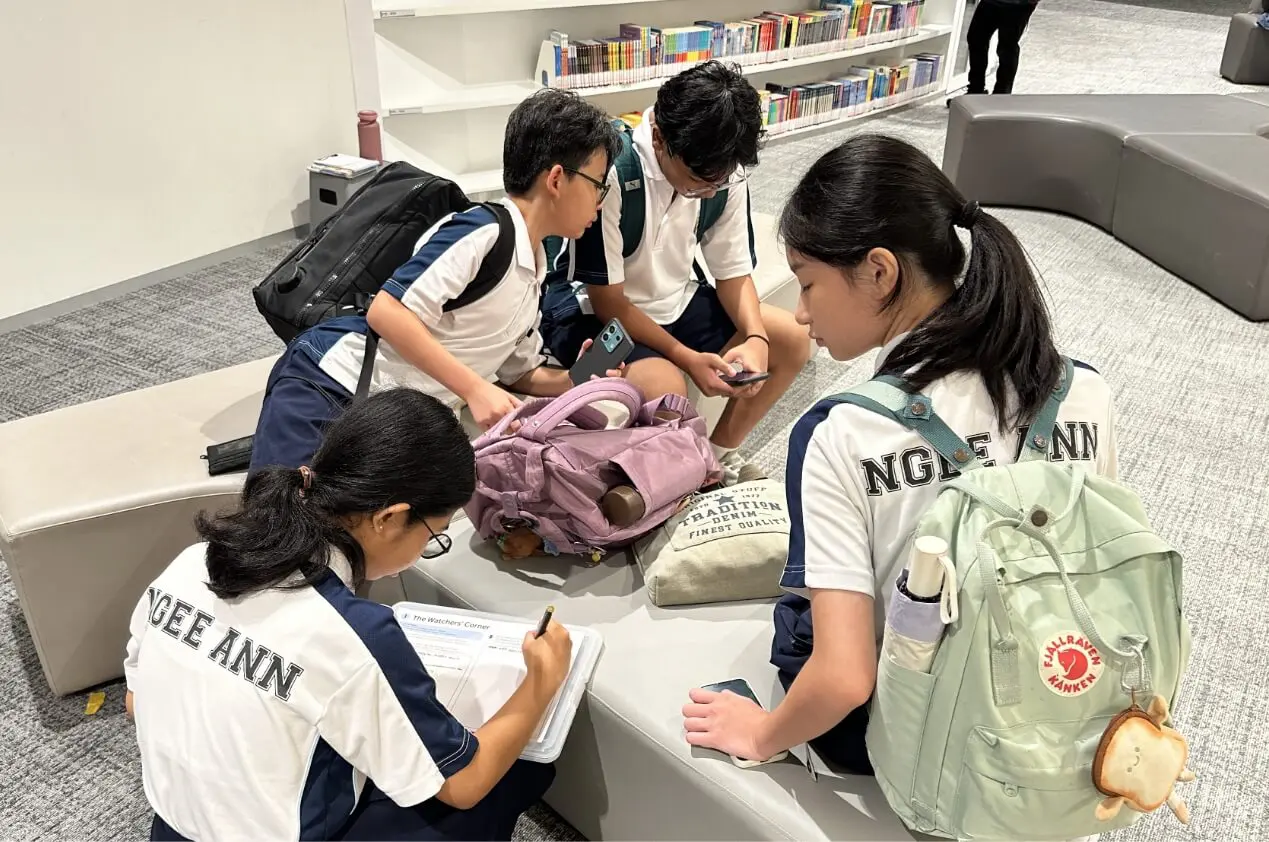
What you already know about yourself
Participants use our Random Cards to break out of the language of job titles and describe what they actually enjoy doing. Working with prompts rather than a blank page gets quieter students contributing within minutes.
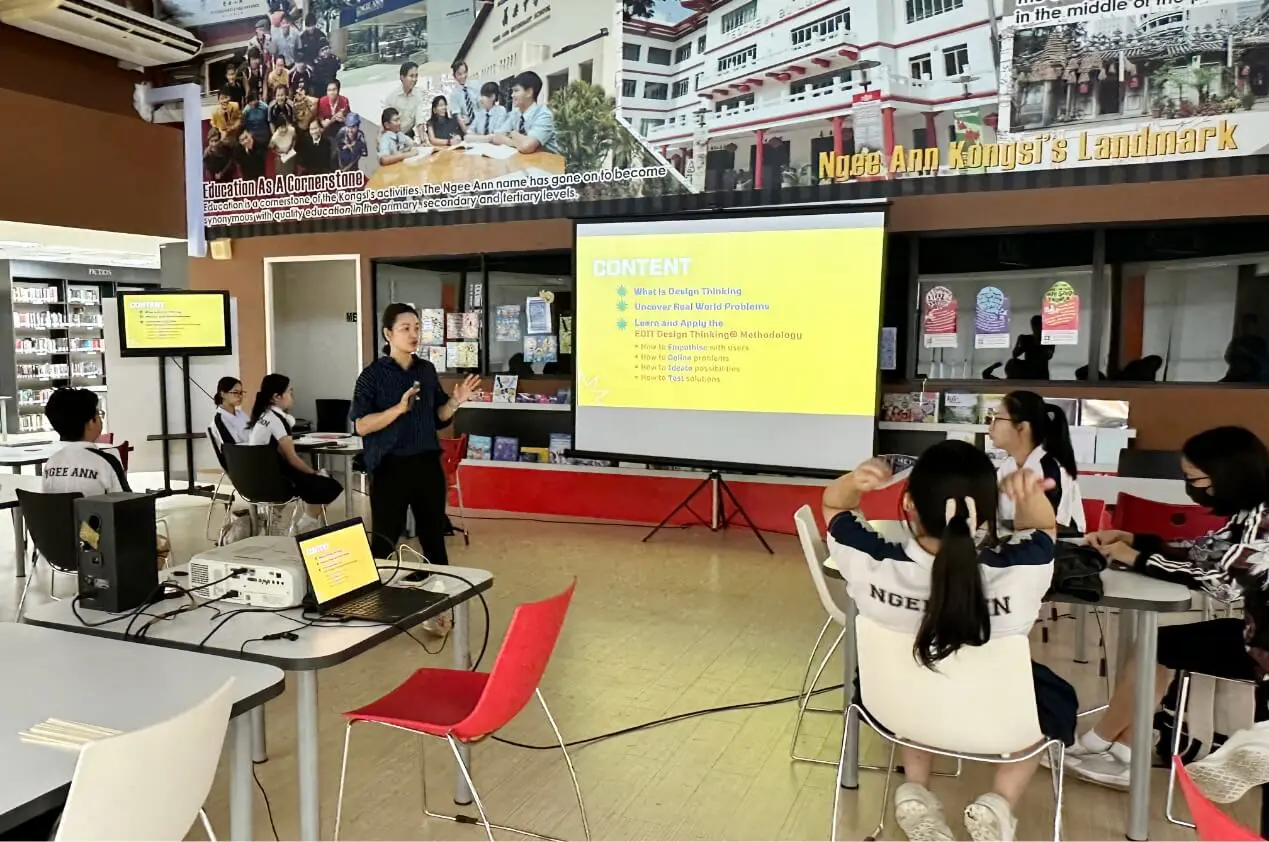
What the world is asking for
A guided look at how work is actually changing, including which parts of jobs are being automated and which are not. Grounded and specific, not motivational.
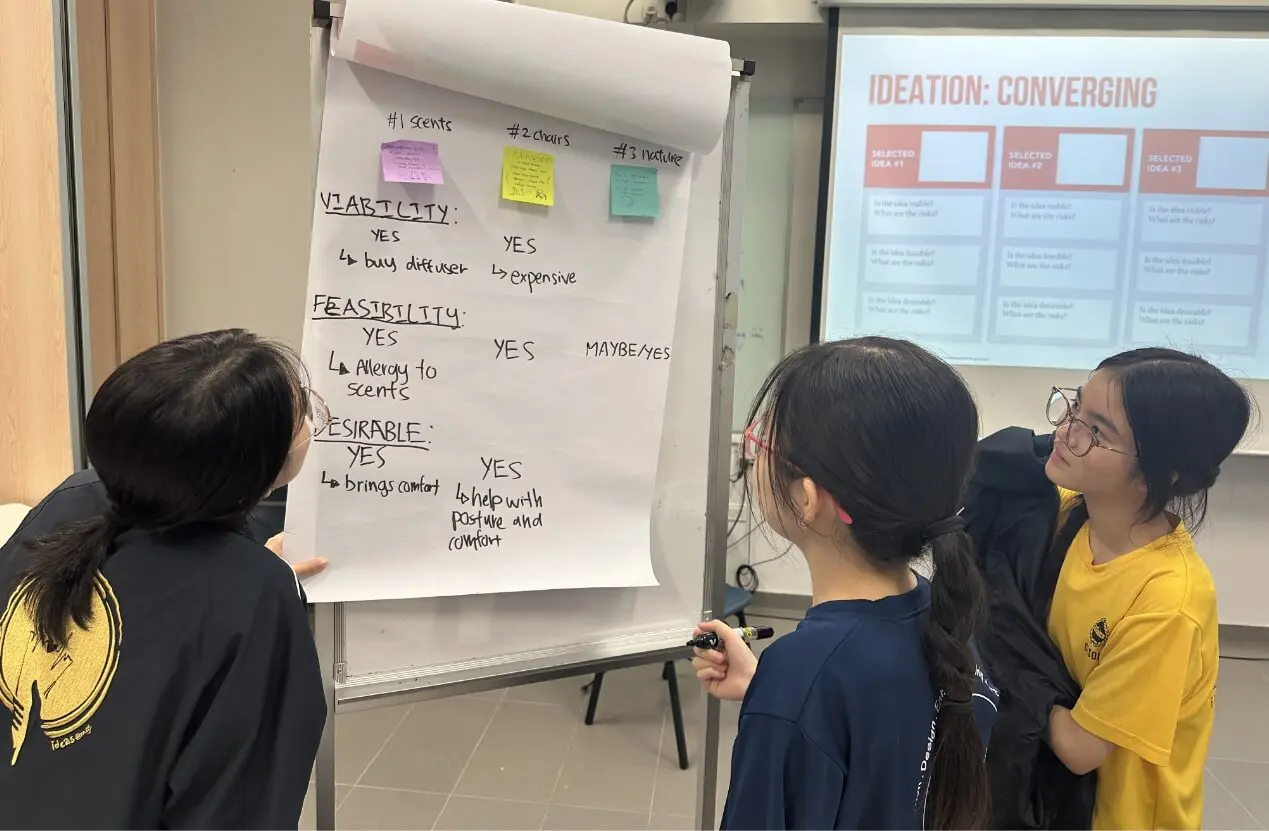
Where those two overlap
Participants map their own strengths against real demand and find the overlaps. Most find three or four they had not considered.
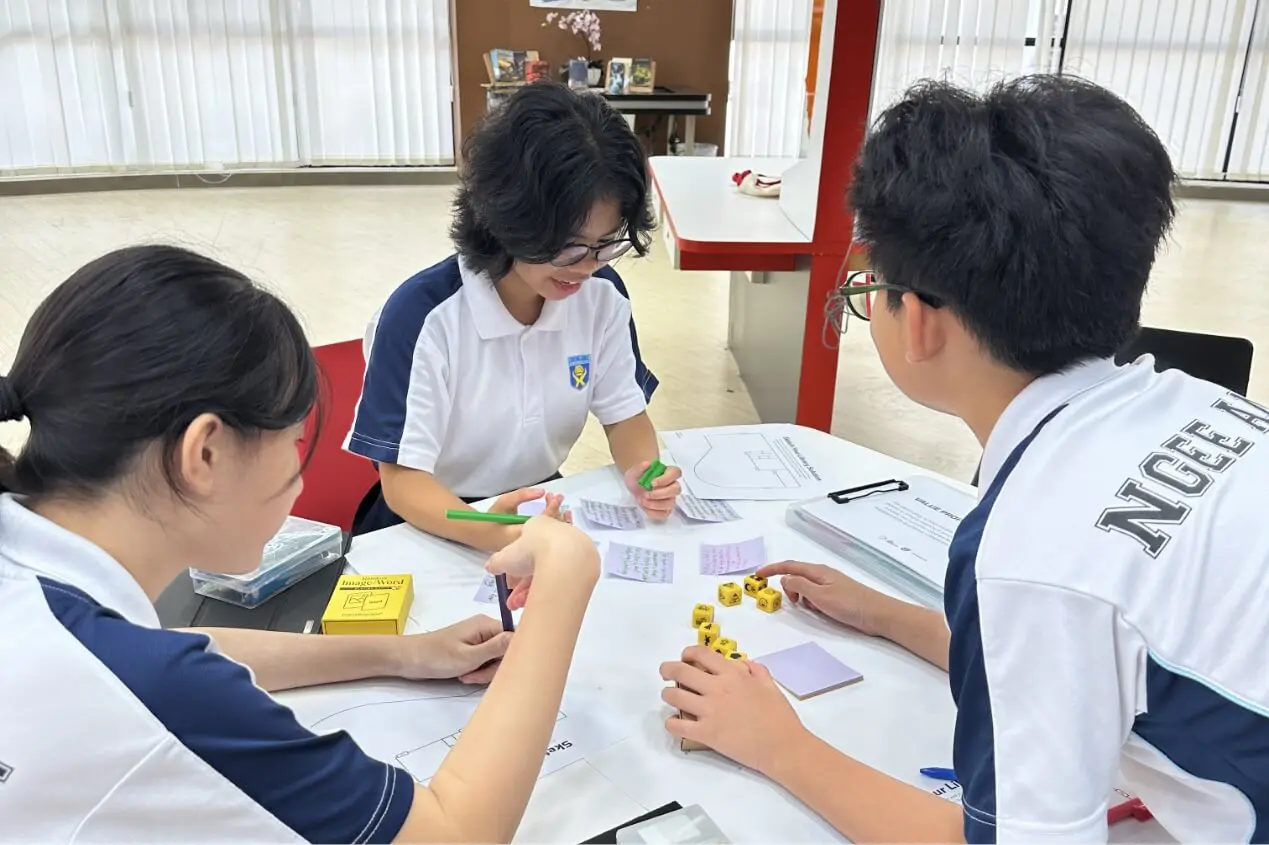
The smallest next step
Every participant leaves with one action small enough to complete within a week. Not a five year plan. One step, with a date on it.

By the end of this programme, students typically take away:
- A completed action map showing strengths, interests and options in one page
- One written next step with a deadline they set themselves
- A set of Random Cards to keep
- A method they can rerun whenever the question comes back
Who this suits
It works best with students who are genuinely undecided. Students who have already committed to a direction get less from it, though several have used it to test whether their choice holds up.
Secondary 3 to 5 students approaching subject or pathway decisions
Junior college students weighing university courses
Student leaders and CCA cohorts as a development session
Youth aged 15 to 35 outside formal education who are between directions
How schools and organisations run this
Unstuck is commissioned by schools, youth organisations and public agencies rather than booked by individuals. We co-design the framing with you first, so the session speaks to the decision your cohort is actually facing, whether that is subject combinations, post-secondary pathways or something more open.
Facilitation is by [[CONFIRM: named facilitator]], supported by our team of ACTA certified and WSQ ACLP qualified trainers.
If you are a young person looking to join
You do not need to know what you want to do. That is the point of the session.
You will not be asked to fill in a personality quiz or sit through a talk about following your passion. You will spend the session working with cards, a mapping sheet and other people your age, and you will leave with one thing you can actually do next week.
Unstuck runs through schools, youth organisations and national programmes rather than individual sign-ups. If your school or organisation is running it, your teacher or programme lead will have the details.
Frequently Asked Questions
How is this different from a careers talk?

A careers talk transfers information about jobs. Unstuck builds a method for making decisions under uncertainty. Participants do the work rather than listen to it, and they leave with something they made.
What if a student still has no idea at the end?
That happens, and it is not a failure. The measure is not certainty, it is movement: a student who arrived with no options and leaves with three to investigate has made progress. Every participant leaves with one action regardless of how clear their direction is.
Can this run for a whole cohort?
Yes. [[CONFIRM: state facilitator ratio and maximum cohort size]] We have run single-class sessions and full-level sessions with multiple facilitators.
Does it need to happen in one block?
The core session works best unbroken. Where a timetable will not allow it, we split it across two periods with a short recap. Tell us your constraint at the enquiry stage and we will design around it.
What do teachers need to do?
Nothing during the session beyond normal supervision. Before it, we ask for a short conversation about what decision your cohort is facing so we can frame the session correctly. Afterwards you receive a facilitation summary you can use in follow-up.