








Human Edge:
Creative Skills for the AI Workplace
Programme at a glance

- Level
Young adults aged 18 to 35

- Duration
4 hours + 7-day digital learning journey

- Cohort Size
Up to 30 participants per workshop

- Format
In person at your campus or at our Creative Lab in Woodlands
What participants will take away:
An AI and Human Design Brief
The question this programme answers
AI Can Give the Answer. But Who Decides What Matters?

Beyond the AI Hype
Young adults are often told to learn AI or risk being left behind, while also being warned that AI may take the jobs they are preparing for. Neither tells them what their role is when AI can produce an answer in seconds.
The Human Role
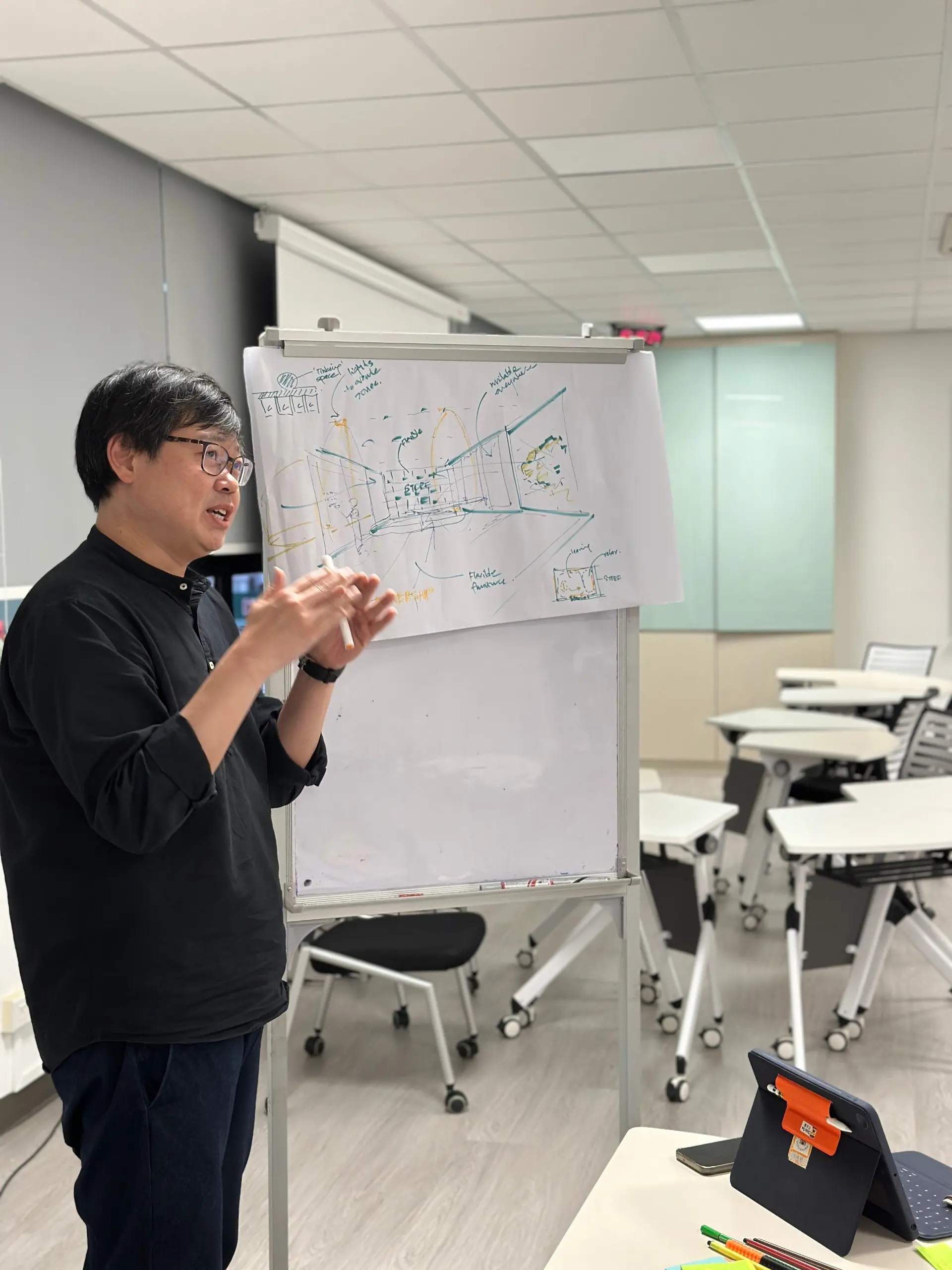
The person still decides which problem is worth solving, judges whether the output is actually good, and takes responsibility for the decision. These are not prompt skills. They are human skills, and they can be practised.

From Output to Decision
Human Edge focuses on what happens around the AI tool: questioning the problem, evaluating the result and making a call when there is no obvious right answer.
How this differs from AI tool training
AI Tools Are Only the Starting Point

What AI Tool Training Teaches
AI tool courses teach how to prompt, generate images and build with no-code platforms. These skills are useful, but they focus on how to use the tool.

What Human Edge Adds
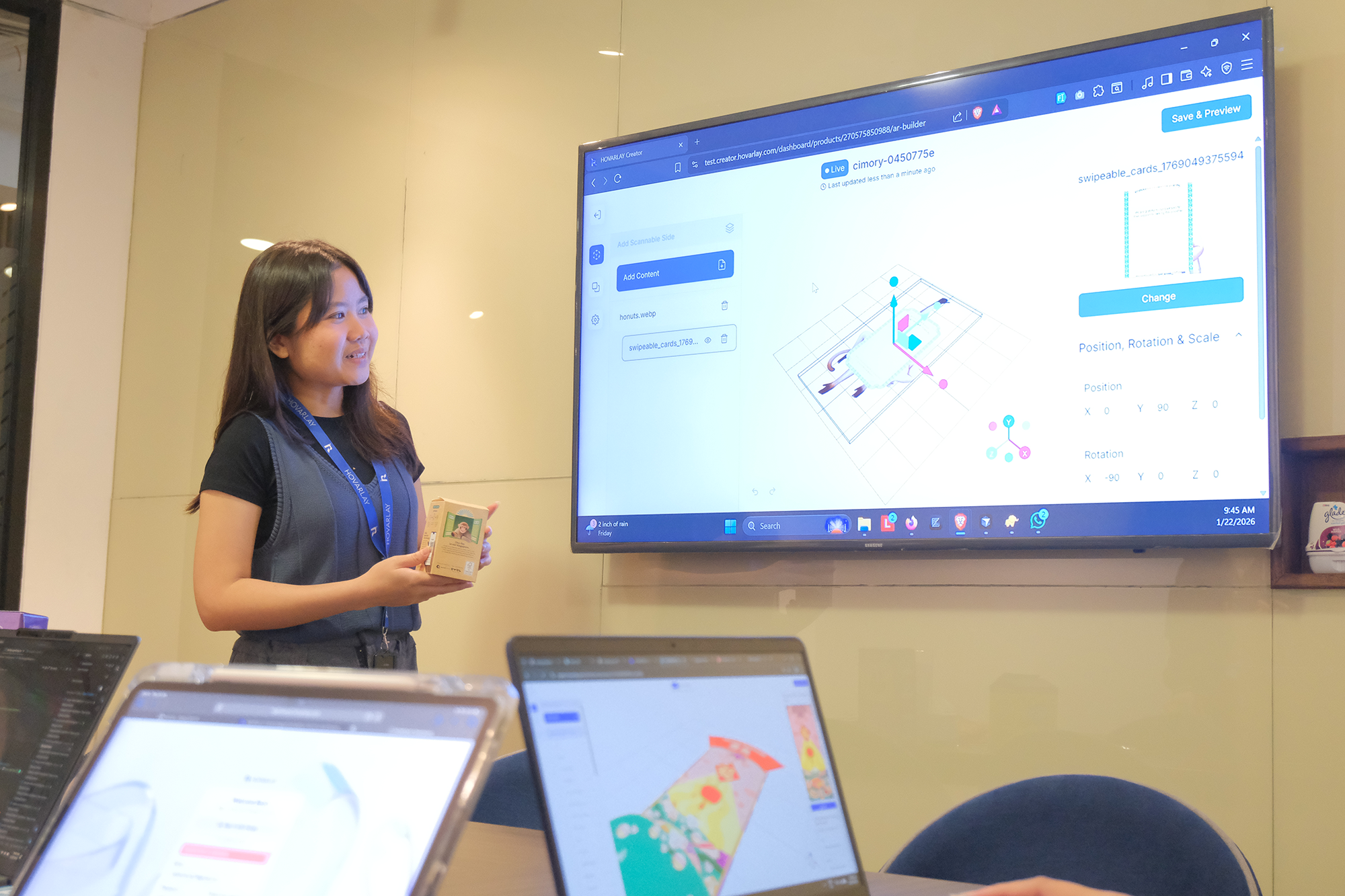
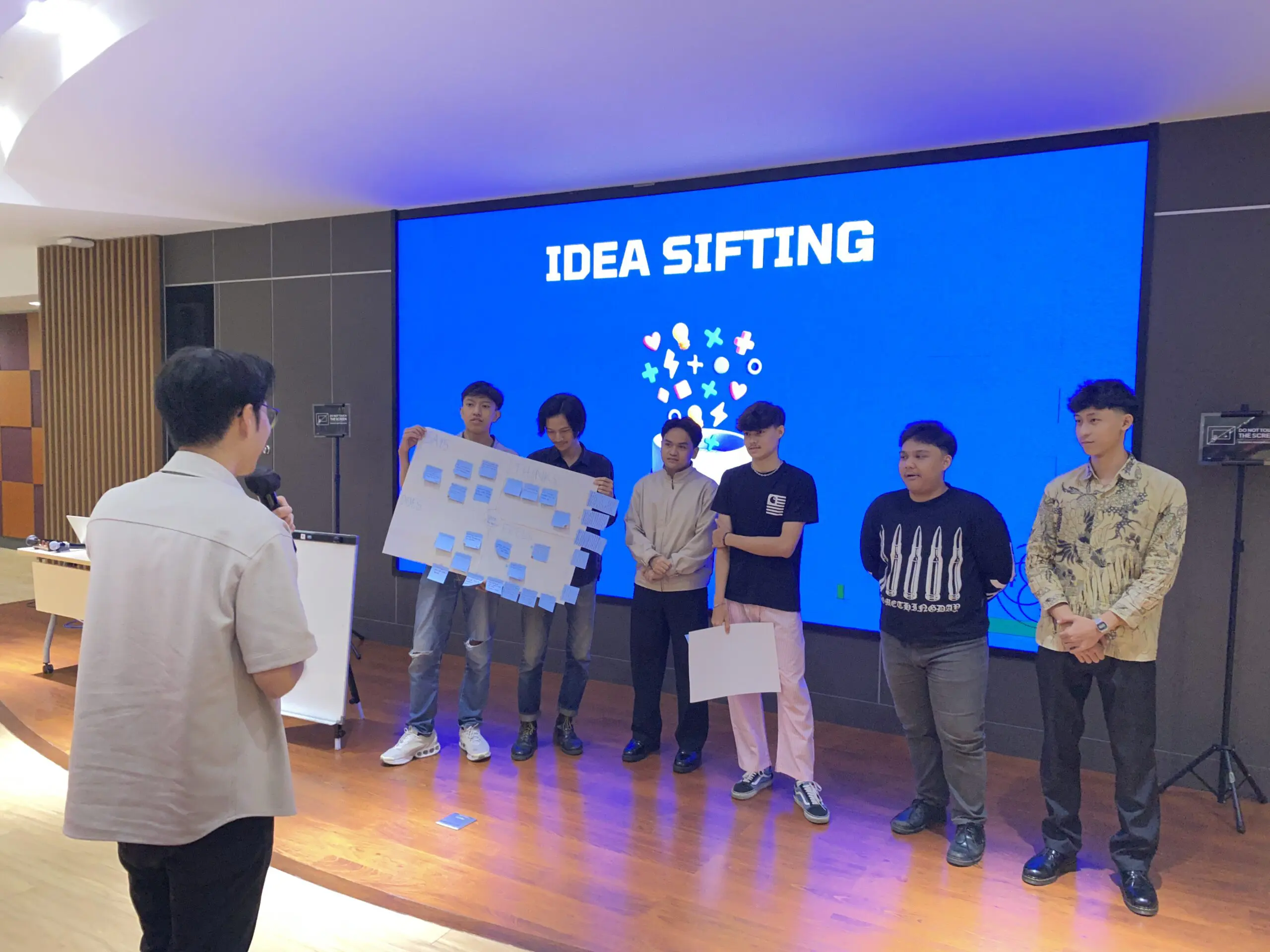
Participants use AI during the session, then explain why they kept one output and discarded four. They learn to evaluate, question and defend their choices when others push back.
The Tool Is Easy. The Judgement Is the Programme.
Human Edge focuses on the layer around the tool: making the call, not just making the output.
The five human skills
Deciding what is worth solving
AI answers the question you give it. Choosing the right question is still entirely human work, and it is the decision that determines whether anything that follows has value.
Judging whether an output is any good
Fluent and correct are different things. Participants practise evaluating AI output against evidence, purpose and audience rather than against how confident it sounds.

Understanding the person on the other side
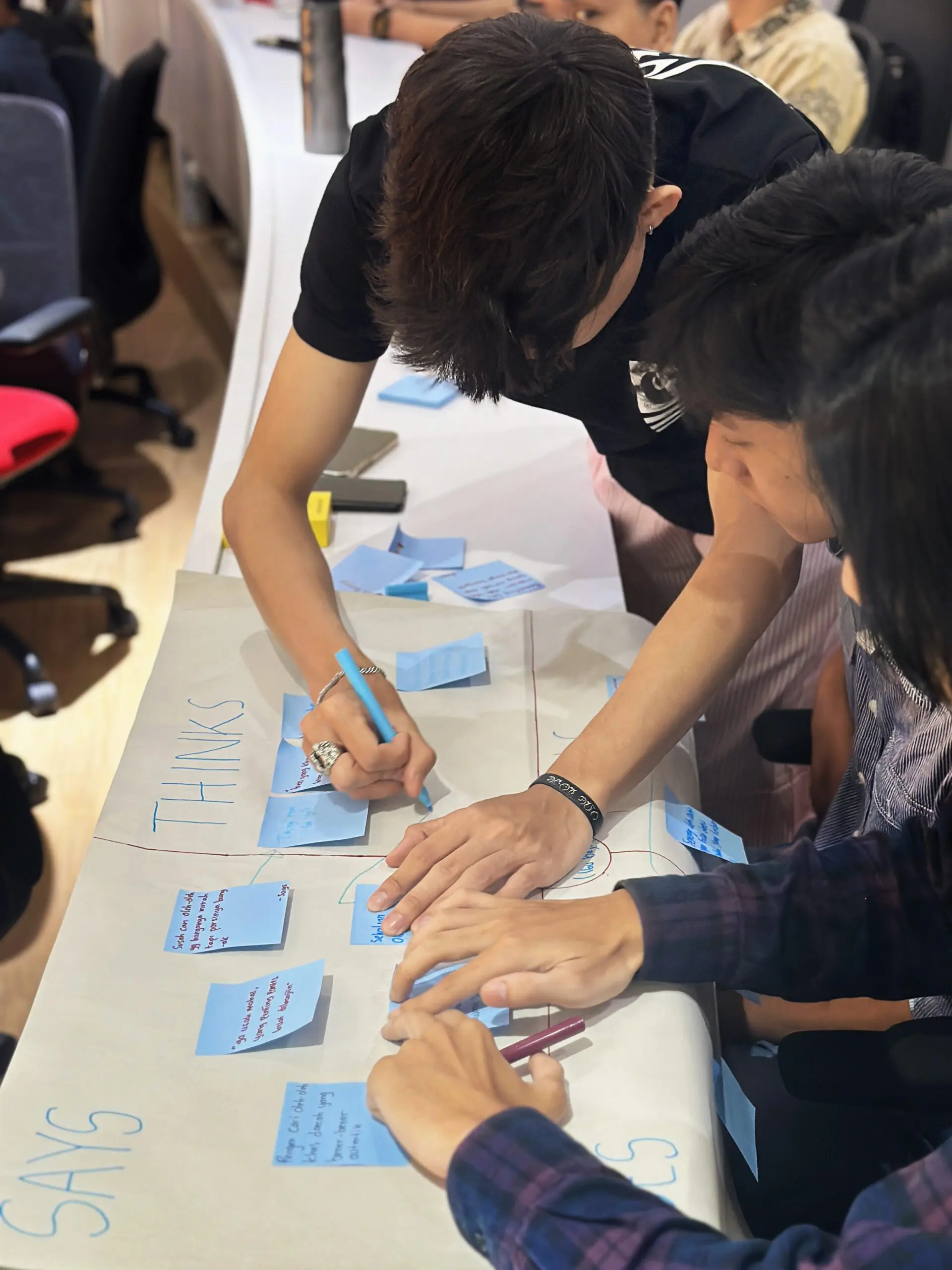
Empathy-led research is the input AI cannot generate for you. Participants gather it themselves and see how differently the work turns out.

Making a call when the answer is contested
Working in a team where the tool has produced several plausible options and a decision has to be made anyway.
Defending the decision
Presenting a choice to people who challenge it, and holding or changing position for stated reasons.
How institutions and organisations run this
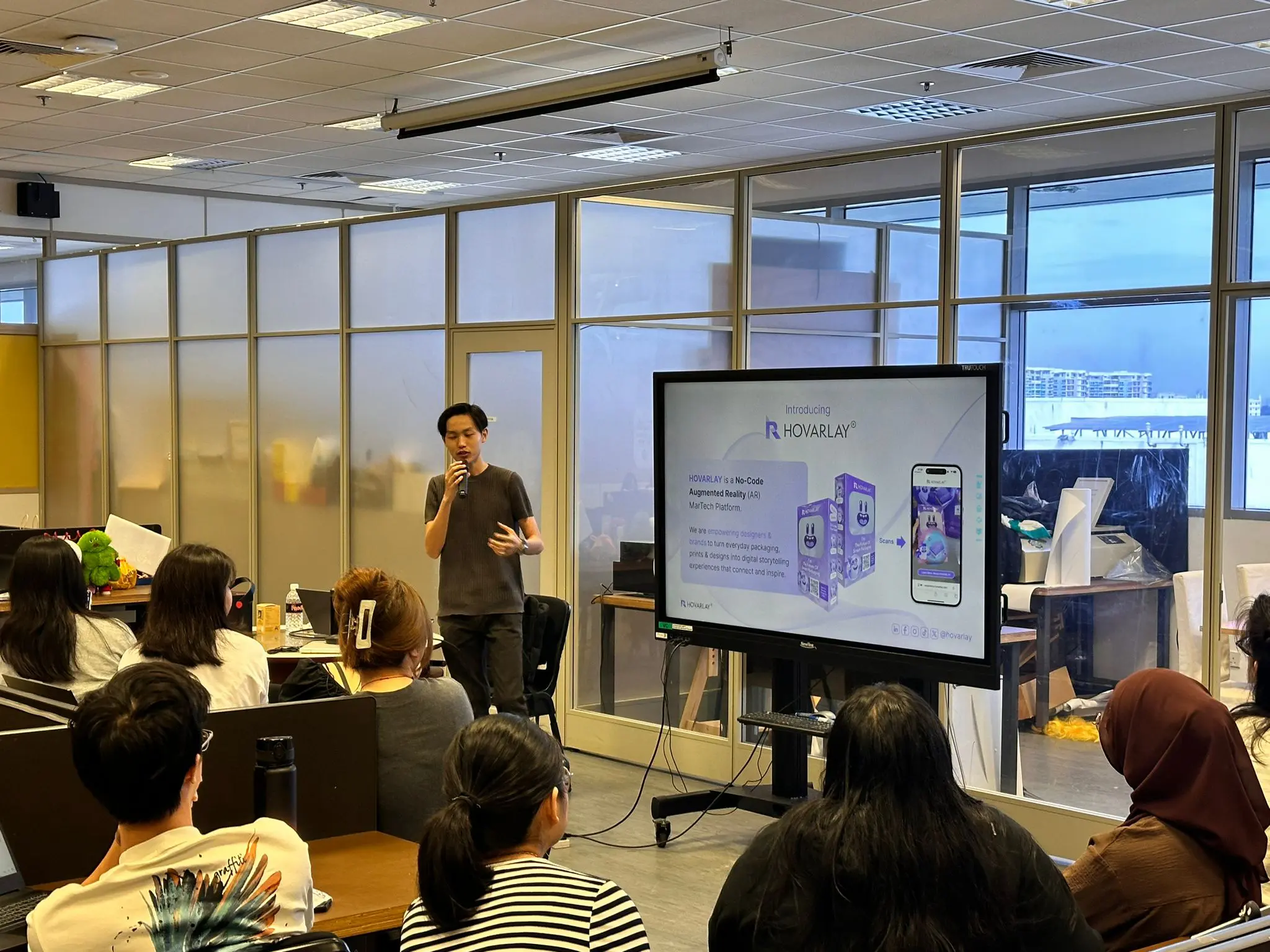
Human Edge is commissioned by schools, post-secondary institutions, youth organisations and public agencies. Facilitation is led by award-winning brand consultants and international design experts, supported by our team of ACTA-certified and WSQ ACLP-qualified trainers.
C-Academy has been appointed by the National Youth Council (NYC) to deliver Human Edge: Creative Skills for the AI Workplace as part of its Discover programme, supporting youths with future-ready skills for the transition from school to work. Programme information and registration will be available through the Discover platform.
If you are a young person looking to join
You already know how to use AI tools. Most people your age do. That is not what this session is about.
This is about the bit nobody teaches: how to tell whether what the tool gave you is actually any good, how to pick which problem to point it at, and how to argue for your decision when someone senior disagrees. You will use AI during the session and then have to defend what you did with it.
Registration for Discover runs will be through the National Youth Council’s Discover platform, at no cost to participants. Your institution or organisation may also run it for its own group.

Common questions
Do participants need to have used AI tools before?

No. Those who have will move faster in the first part, but the session is about judgement rather than technical skill, so prior experience is not an advantage for long.
How is this different from Human Futures?
Human Futures is C-Academy’s design thinking programme on AI for secondary schools, run as a half-day taster, a one-day sprint or a six-session journey of about 18 hours. Human Edge is a single intensive for young adults aged 18 to 35. Same underlying method, different depth and a different age group.
Does this duplicate an AI tool course?
No. Tool courses build skill with the technology. Human Edge works on what a person does with the output: choosing the problem, judging the result and defending the decision. It can sit alongside a tool course.
Are participants using AI tools during the session?
Yes, and they are asked to account for it. The point is not to avoid the tool but to be able to explain what you kept, what you rejected and why.
What evidence do you have that it works?
Human Edge is a new programme and does not yet have its own outcome data. We will publish results once we have them, and we will not borrow figures from our other programmes.