









Behind the Brand:
Inside Singapore’s Creative Industry
Programme at a glance

- Level
Young adults aged 18 to 35

- Duration
4 hours + 7-day digital learning journey

- Cohort Size
Up to 30 participants per workshop

- Format
In person at your campus or at our Creative Lab in Woodlands
What participants will take away:
Team’s brand response, written panel feedback, and a creative industry roles map
A real brief, not a simulation
What participants learn changes when the work is real. Instead of working through an invented scenario, they are given a genuine creative challenge and have to think beyond the classroom, considering the business, audience and constraints behind the brief.
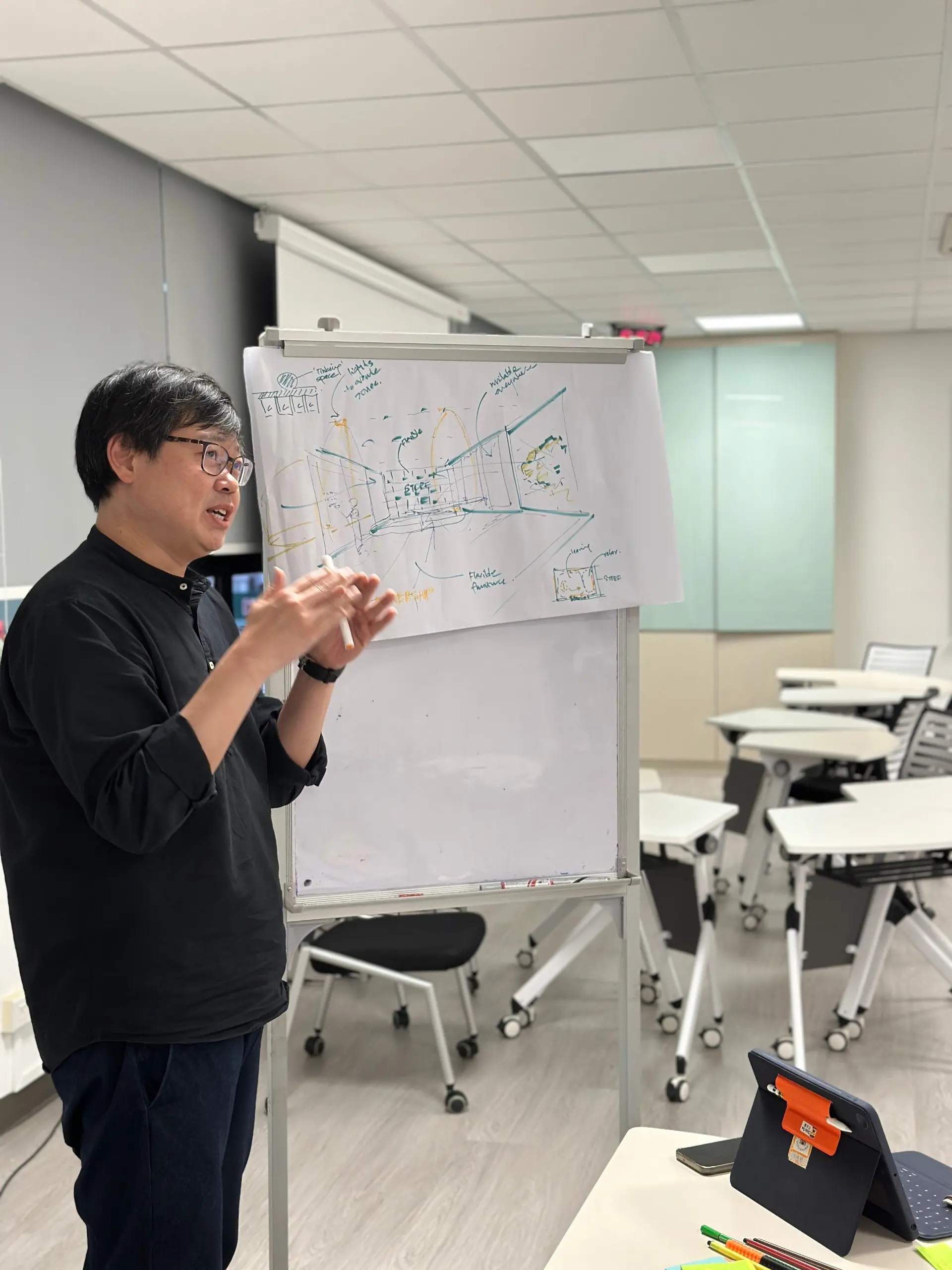
A Real Business, Real Context
Most careers programmes describe an industry. This one hands participants a piece of its work.
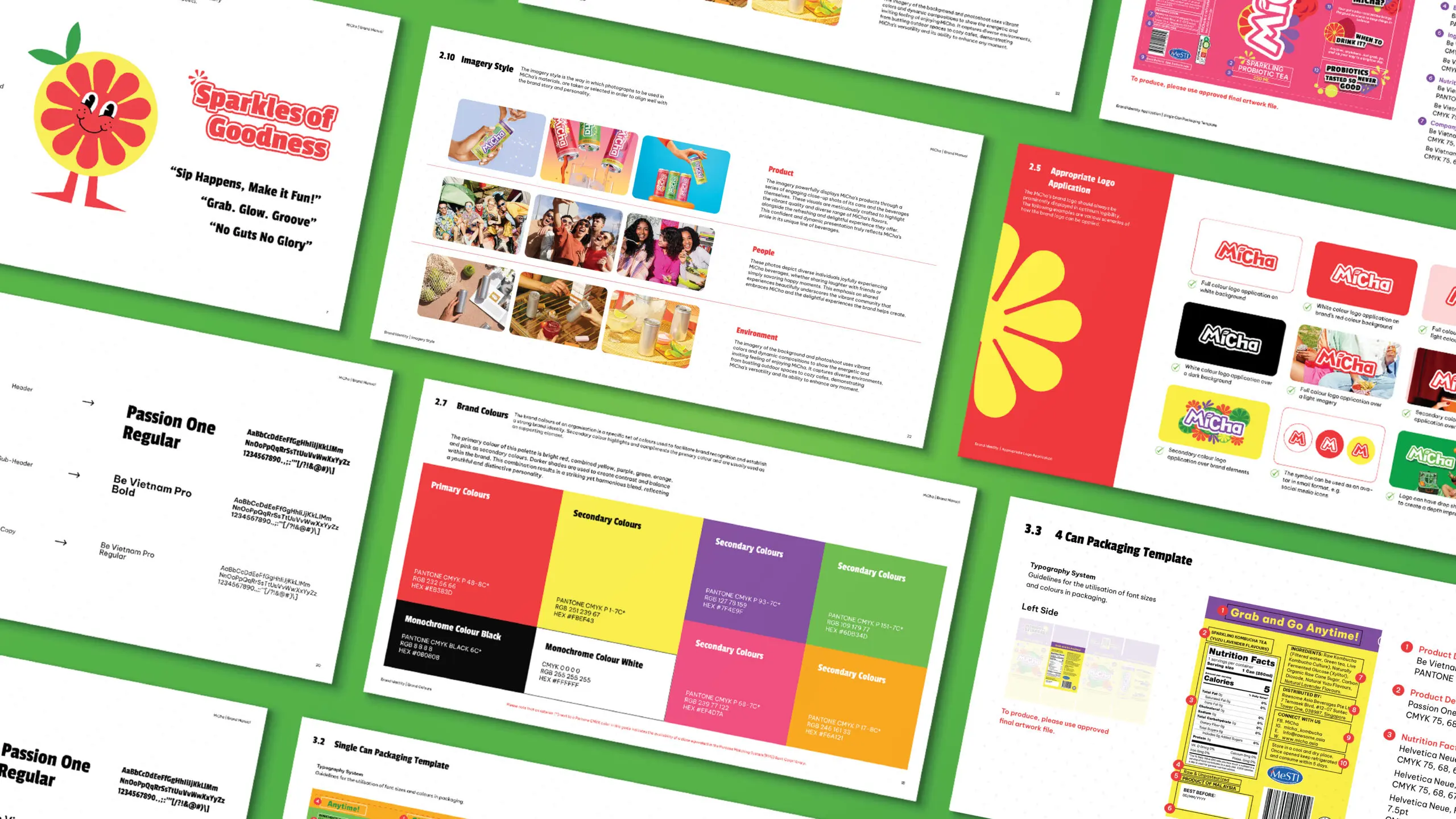
From Creativeans’ Portfolio
The brief comes from the portfolio of Creativeans, a Singapore brand consultancy established in 2012. C-Academy is its education arm. It is sanitised for confidentiality but the problem is the one the client actually brought: a real business, a real audience, a real constraint.
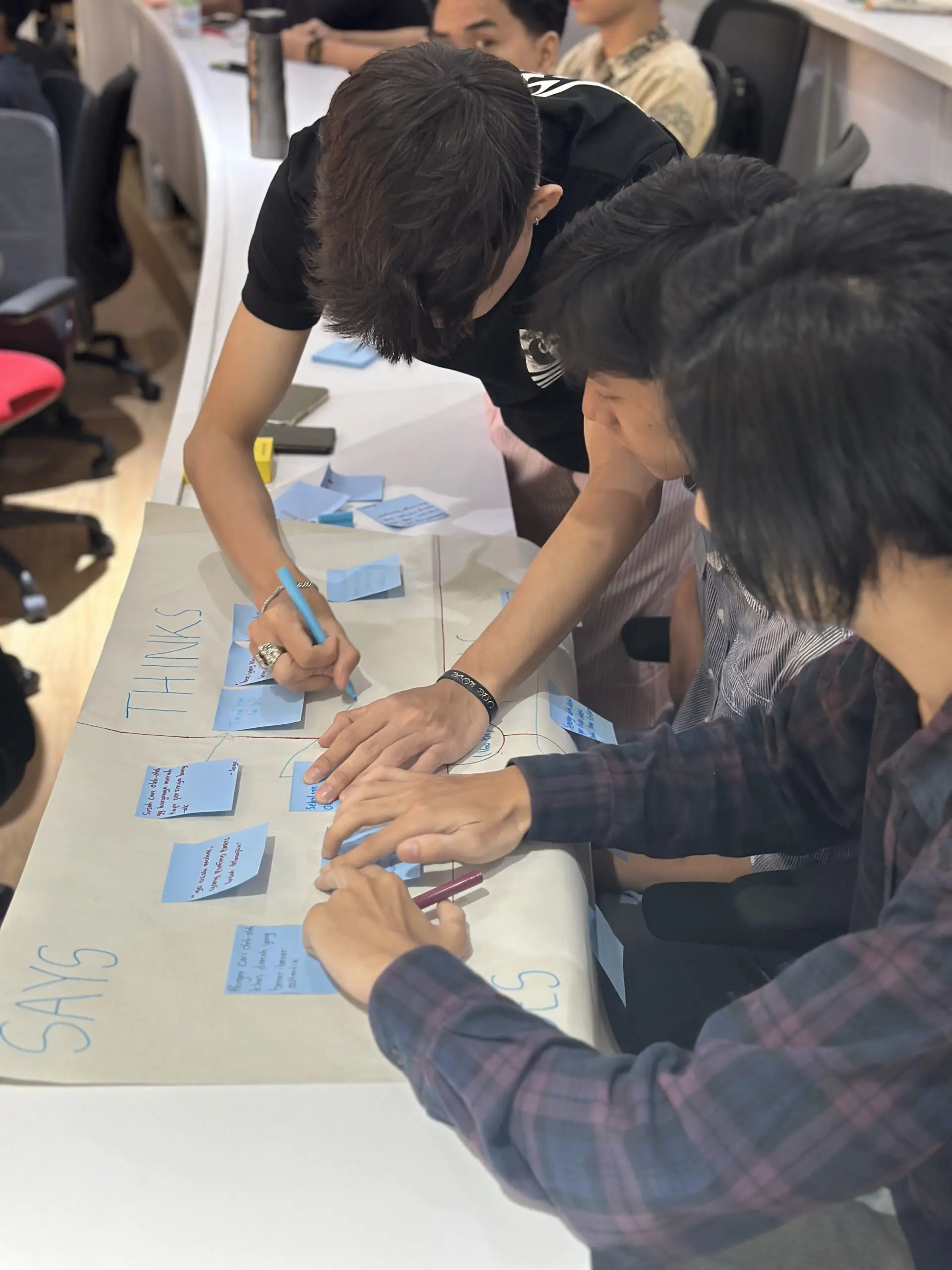
A Different Way of Thinking
That difference matters more than it sounds. On an invented brief, people optimize for what they think the marker wants. On a real one, they have to consider a client who has a budget, a deadline and an opinion.
What happens in the session

The brief
Teams receive the brief and interrogate it the way a consultancy would. What is the client actually asking for? What are they not saying? Who is this really for?
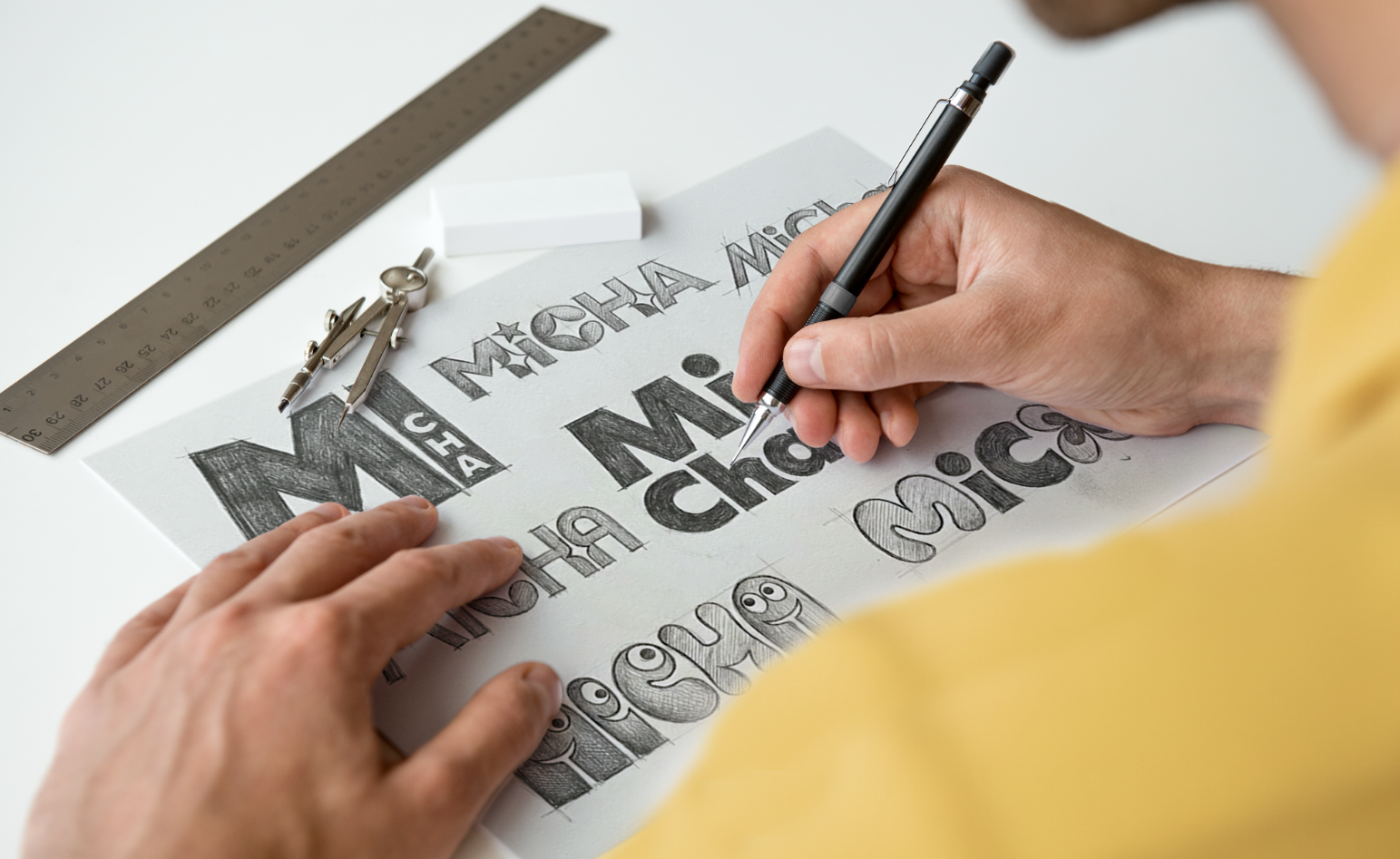
The industry behind it
A walk through who would work on this brief in a real agency, what each of them does on a Tuesday morning, and how they got there.
Developing a response
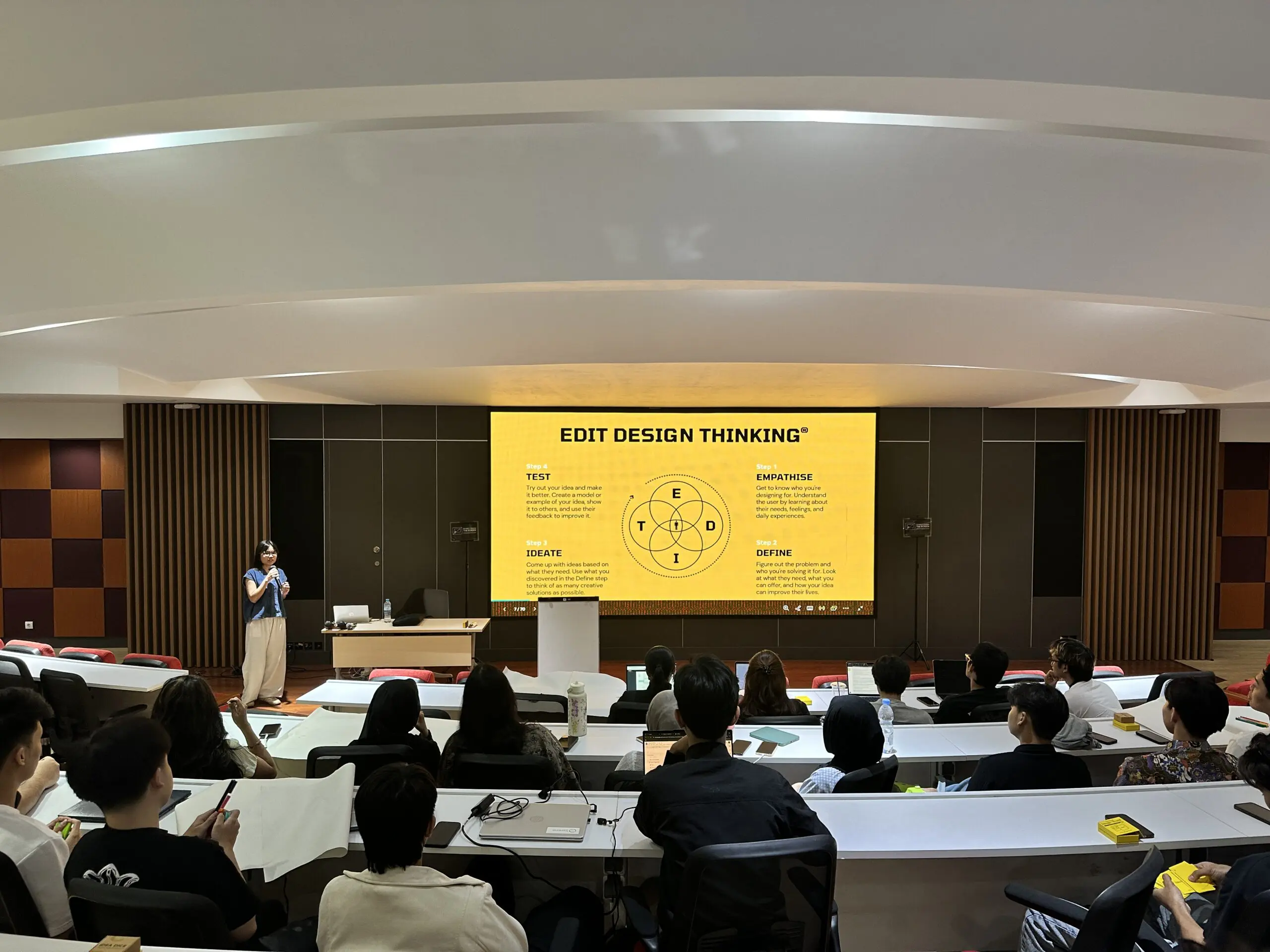
Teams use EDIT Design Thinking and C-Academy’s Random Cards to move from the brief to a concept. Facilitators work the room the way a creative director would, questioning rather than correcting.
The pitch
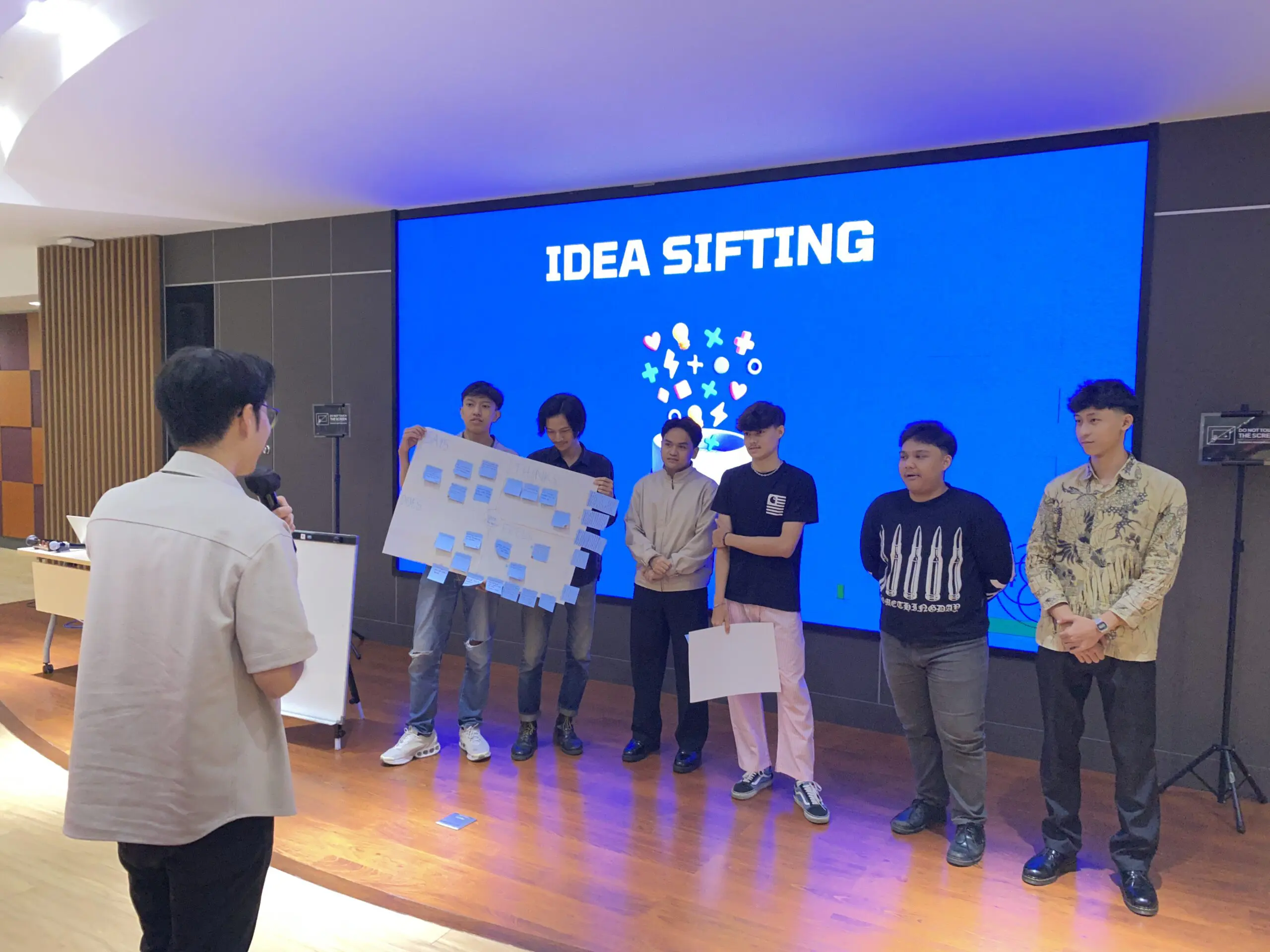
Teams present to a panel of award-winning brand consultants, international design experts, and relevant industry professionals or NYC representatives. The feedback is professional and specific. Students are asked to defend their thinking, not just show it.
The creative careers most people have never heard of
For each one the session covers what the job involves, what a route into it looks like from Singapore, and what someone in it is doing this week.
- Brand strategist
Works out what a company should stand for, before anyone designs anything
- Design researcher
Interviews real users and turns what they say into decisions
- Visual identity designer
Builds the system a brand looks and behaves through
- Copywriter and verbal identity specialist
Decides how a brand sounds
- Service designer
Designs the experience of dealing with an organisation, not the product
- Design manager or account lead
Runs the relationship between the client and the studio

Why we can run this and a training provider cannot
- C-Academy is the education arm of a working brand consultancy.
- The briefs are ours.
- The facilitators bill client work when they are not teaching.
- The panel includes Kimming Yap, Managing Director of Creativeans and Vice President of the Design Business Chamber Singapore. Creativeans lists 60+ awards and recognitions across branding and design.
How institutions and organisations run this
Behind the Brand is commissioned by polytechnics, ITE, universities, youth organisations and public agencies. We match the brief to your group’s level, and where you have a specific interest such as sustainability or technology, we select a brief from that sector.
C-Academy has been appointed by the National Youth Council (NYC) to deliver Behind the Brand: Inside Singapore’s Creative Industry as part of its Discover programme, supporting youths as they explore career pathways and transition from school to work. Programme information and registration will be available through the Discover platform.
If you are a young person looking to join
You will not be sitting through a talk about the creative industry. You will be doing a piece of its work.
Your team gets a real brief from a real client, a few hours to develop a response, and then you pitch it to someone who does this professionally and will tell you honestly what works. You do not need to be able to draw. Several of the roles you will meet involve no drawing at all.
Registration for Discover runs will be through the National Youth Council’s Discover platform, at no cost to participants. Your institution or organisation may also run it for its own group.
Common questions
Do participants need any design background?

No. The brief is a thinking problem before it is a making problem, and several of the roles covered involve strategy, research or writing rather than visual work. Mixed cohorts work well.
Is the brief really from a live client?
It is drawn from real consultancy work and sanitised so no confidential information is disclosed. The problem, the constraints and the audience are real.
Who gives the feedback?
A panel of working design professionals, including Kimming Yap, Managing Director of Creativeans. The point of the pitch is that the feedback comes from someone who does this work, not from a facilitator playing a role.
Is this for students or working adults?
Both. It is for young adults aged 18 to 35, whether they are studying or working. We match the brief to the group.
What if our participants are not considering creative careers?
Many will not be, and that is still a good use of the session. The transferable part is learning to read a brief, develop a position and defend it in front of someone senior. That applies to any pathway.