



Singapore has strong applied learning programmes that help students learn through real-world application, including C-Academy’s real-world design thinking courses, turning real-world challenges into powerful learning journeys for students and youths.
Singapore has many applied learning programmes, ranging from MOE’s school-based Applied Learning Programme (ALP) in Singapore schools to external workshops that complement classroom learning. In addition to MOE ALP and polytechnic-style applied learning modules, C-Academy provides a complementary, workshop-led option that schools can plug in to strengthen the how of applied learning—using a clear, repeatable methodology to guide students from understanding needs to prototyping and testing solutions, rather than focusing only on the applied theme or subject area.
WHO RUNS THIS PROGRAMME
C-Academy designs and delivers Applied Learning Programmes built on EDIT Design Thinking®, including co-developing the ALP curriculum with your teachers.
1. ALP In Singapore: What Does It Actually Mean For Students?
ALP helps student learning by giving primary schools and secondary schools structured opportunities to connect academic curriculum content to real world application through practical experience.
1.1 ALP Vs Classroom Learning: What Changes?
ALP shifts learning from classroom learning to applied learning experiences where students practise an interdisciplinary approach—linking applied subjects to real contexts and building a holistic understanding of why knowledge matters. Instead of only studying concepts at a normal technical level, students learn to apply ideas in projects that demand decision-making, collaboration, and iteration, which often supports academic success in a more indirect but durable way.
1.2 ALP Themes Students Commonly Experience In Singapore Schools
Across Singapore schools, ALP themes are often shaped around STEAM education and authentic learning contexts—such as environmental issues, health science, and emerging technologies—so students can explore sustainable solutions, innovative solutions, and even design innovative products with clear constraints. Depending on the school, ALP may also connect to topics like urban planning and urban landscapes, or hands-on domains such as materials science, food science, sports science, and 3d printing—because these areas naturally lend themselves to applied inquiry and authentic assessment.
2. Applied Learning Programme Options Beyond ALP: What Else Is Available?
Beyond ALP, Singapore offers applied learning programme options through external providers, enrichment partners, and school-ready workshops that extend student learning into deeper project based learning.
Why Schools Need More Than One Format
One applied learning programme may create a good one-off outcome, but applied learning programmes become truly valuable when students accumulate learning experiences across levels, contexts, and complexity. This is where schools often look for a complementary format—something that reinforces method, not just theme—so students can keep improving how they observe, define, ideate, prototype, and test across different projects.
Applied Learning Programmes That Feel “Authentic” To Teenagers
Applied learning programmes work best when students can see the relevance immediately—because authentic learning increases joy of learning and student engagement. For teenagers, authenticity often comes from working on real constraints and stakeholders, not hypothetical worksheets. That is why programmes involving maker workshops, laboratory sessions, mobile robotics, or building an educational app can be effective—provided students are guided to reflect, test, and improve, rather than simply “build and submit”.
3. Applied Learning Programme In Practice: What Should Good Programmes Deliver?
A good applied learning programme should produce applied learning experiences that build transferable skills, support career readiness, and create clearer evidence of learning through authentic assessment.
The Skills That Matter In Applied Learning Experiences
High-quality applied learning experiences develop more than technical ability. Students learn how to collaborate, present ideas, and defend choices—strengthening communication skills alongside critical reasoning. Over time, these capabilities help students become active contributors in group settings and community contexts, whether their projects are about sustainable city model ideas, community garden design, or solutions aligned to environmental NGOs and broader civic challenges.
Why “Real World Application” Must Be Built Into The Programme Design
Real world application is not a slogan—it is a learning design choice. When programmes force students to test assumptions, gather feedback, and revise work, students experience practical experience that feels closer to real life. This builds a more holistic understanding of trade-offs and consequences, and helps students connect academic curriculum knowledge to outcomes that matter in the global economy, where applied skills and adaptability increasingly define opportunity.
How Applied Learning Supports Academic Success Without Becoming Exam Tuition
Applied learning can support academic success because students practise structuring ideas, explaining reasoning, and learning from feedback—habits that strengthen performance across subjects, including O levels preparation where clarity and reasoning matter. However, the goal is not to replace academic curriculum learning, but to strengthen how students learn, so they can handle complex tasks with confidence.
4. Why C-Academy Is A New Option For Applied Learning Programmes In Singapore
C-Academy is a strong new option for applied learning programmes because its EDIT Design Thinking® workshop provides a repeatable method that schools can run in classrooms to strengthen student learning through applied learning experiences.
4.1 What Makes C-Academy’s Applied Learning Programme Workshop Different?
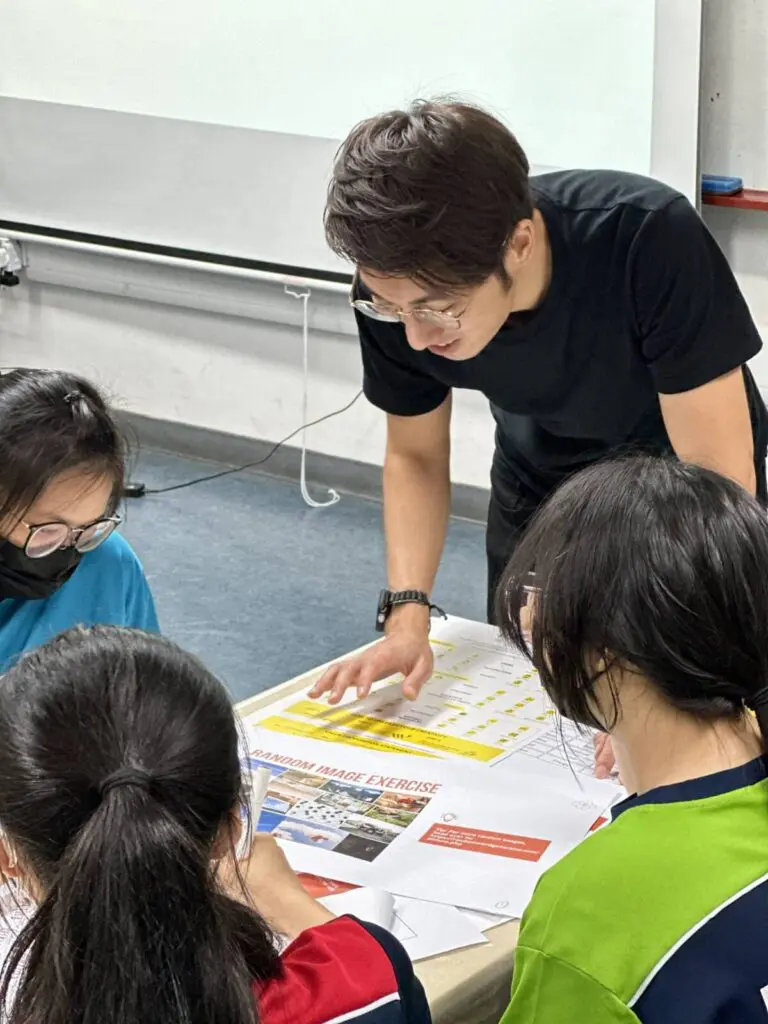
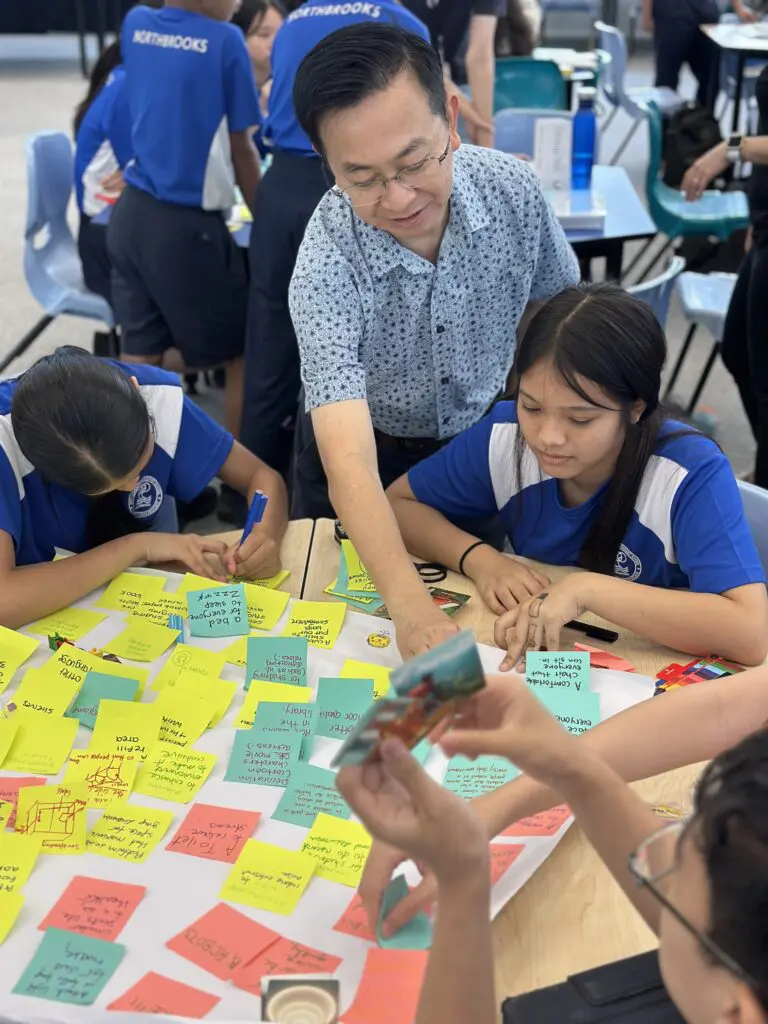
C-Academy’s workshop is designed so students do not just complete a project—they learn a method for solving problems. That method supports an interdisciplinary approach, helping students move from observation to prototyping and testing in a way that is structured and school-ready. This matters because many applied learning programmes become activity-heavy but learning-light; without process, students may produce outputs but gain limited transferable skills.
4.2 How C-Academy Workshops Fit Into School ALP And Other Applied Learning Programmes
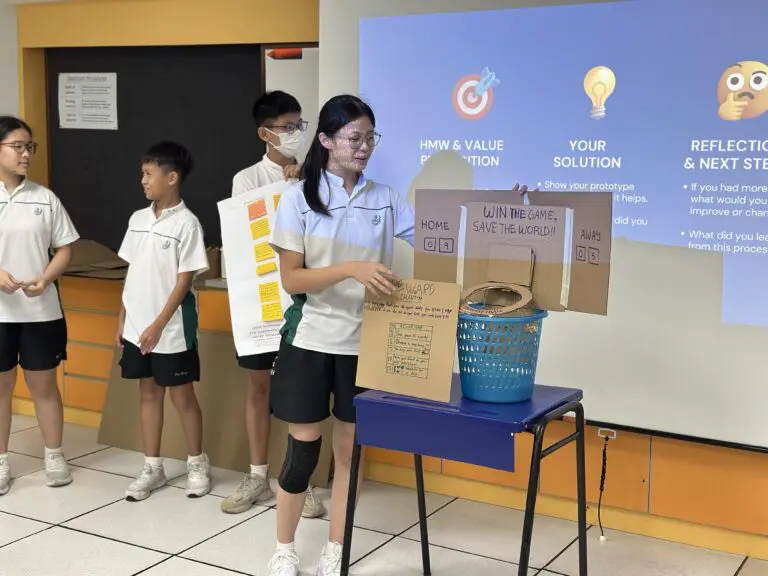
C-Academy can complement ALP by strengthening the “how” of implementation: how students define problems, generate options, and validate solutions. This works across themes—whether a school is exploring environmental issues with sustainable solutions, applying science thinking through laboratory sessions, or using maker workshops to develop prototypes. The same structure can also support programmes aimed at underprivileged students, because a clear process helps ensure learning quality is consistent, not dependent on prior exposure.
4.3 How C-Academy Supports Future Outcomes For Secondary Schools
For secondary schools, C-Academy’s approach supports future outcomes by building student agency, clearer collaboration, and communication skills that travel beyond a single module. When students develop these capabilities early, they become more confident in later project based learning, better prepared for applied learning programmes that involve emerging technologies, and more ready for the real expectations of work and society—where being an active contributor matters as much as knowing content.
5. Applied Learning Programmes By Theme: What Students Can Learn Through Real Contexts
Applied learning programmes are most effective when themes are tangible, locally relevant, and testable—so students can experience authentic learning rather than abstract discussion.
Sustainability, Environment, And Community Contexts
Environmental issues are naturally suited to applied learning because students can observe problems directly and evaluate trade-offs. Schools may explore sustainable solutions linked to environmental NGOs, design a community garden as a living prototype, or test a sustainable city model concept that connects behaviour, space, and policy. These contexts push students to think in systems and practise real world application rather than memorising facts.
Technology, Design, And Emerging Technologies Contexts
For technology-driven applied learning, schools may introduce 3d printing prototypes, mobile robotics builds, or even an educational app concept. When designed well, these become more than “tech exposure”; they become learning experiences that teach students to justify decisions, gather feedback, and improve—core habits that support career readiness in a changing global economy.
Science And Applied Subjects Contexts
Applied subjects such as materials science, food science, sports science, and health science can become powerful applied learning experiences when students move beyond theory into investigation, testing, and reflection. In these contexts, authentic assessment is easier to design because students can demonstrate not just final answers, but process quality: what they tested, what changed, and why.
Built Environment Contexts
Urban planning and urban landscapes offer strong applied learning contexts because students can observe how people move, rest, and interact with spaces. This naturally builds holistic understanding and encourages an interdisciplinary approach—connecting design, community needs, and practical constraints in ways that strengthen 21st century skills.
6. How To Choose The Best Applied Learning Programme For Your School Or Child
The best applied learning programme is the one that fits your student learning needs, delivers authentic learning, and builds transferable skills that last beyond one project.
What Parents Should Look For In Applied Learning Experiences
Parents can look for signs that a programme builds capability, not just outputs: students can explain decisions, show iterations, and articulate learning. If a student can describe what feedback changed their work, that is a strong indicator of authentic learning. Over time, these habits support academic success, help students manage O levels demands more confidently, and build lifelong learning attitudes.
What Schools Should Look For When Evaluating Applied Learning Programmes
Schools can prioritise programme structure, facilitation, and scalability—especially if they want consistent learning experiences across cohorts. The right programme should work in both primary schools and secondary schools contexts (with age-appropriate adjustment), support students at different starting points, and help all students—including underprivileged students—access high-quality applied learning experiences rather than uneven exposure.
7. Where To Start With Applied Learning Programmes In Singapore
If you want a fresh, school-ready applied learning programme option in Singapore, start by exploring C-Academy’s workshop approach and how it can complement your existing ALP direction with structured, outcomes-driven applied learning experiences.
C-Academy is particularly useful when a school wants applied learning programmes that build method and capability across themes—so students can take what they learn and reuse it in different settings, from maker workshops to community projects, from technology prototypes to sustainability challenges. That is how applied learning becomes a long-term advantage: students develop 21st century competencies, become active contributors, and gain practical experience that supports both academic success and career readiness.